

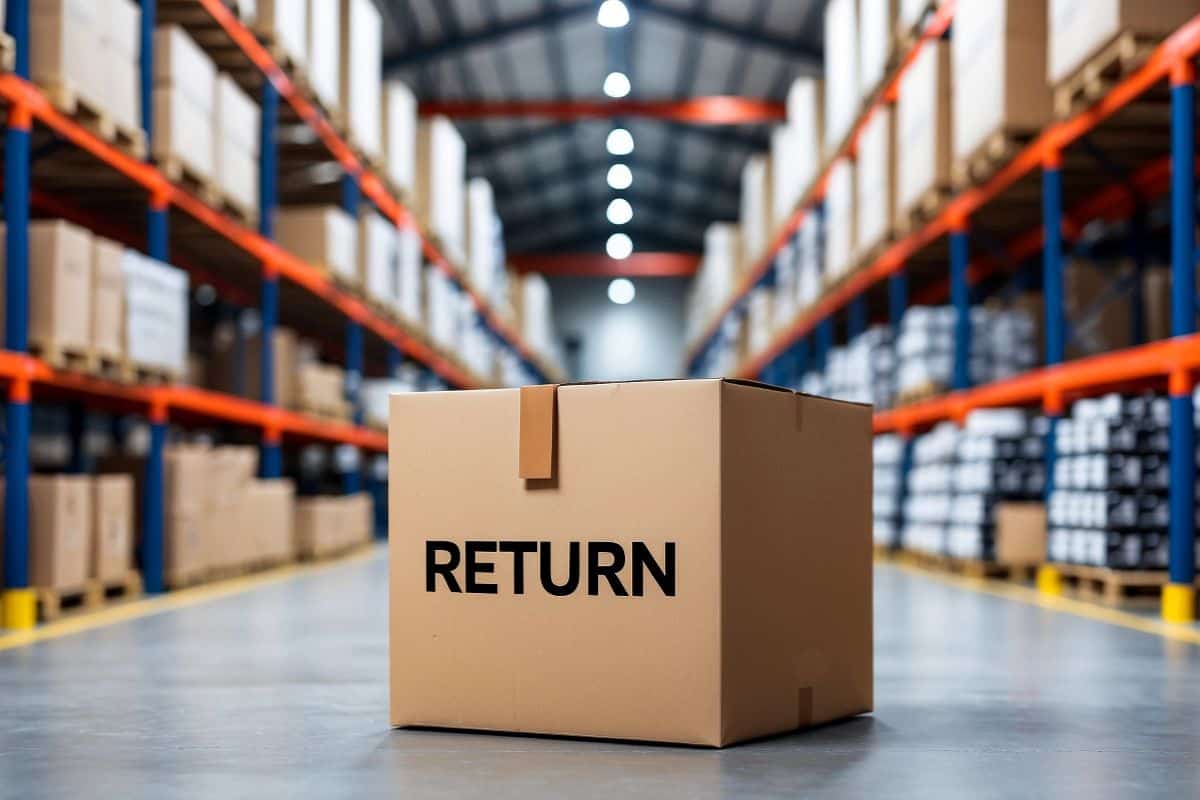
Returns fraud is a growing challenge for retailers. Research by Rebound Returns, reported in InternetRetailing’s new Returns 2025 Report, found that around 2.2% of returns are fraudulent – and while this might seem like a relatively small figure, it is costing retailers dearly. Rebound Returns’ data showed that fraudulent returns have cost one major fashion retailer an eyewatering $30m to $50m (£22m to 37m).
In our Returns 2025 Report, we take a look at what retailers can do to combat the ongoing – and increasing – problem of returns fraud. As Mike Viscione, Sales and Partnership Lead at ReBound Returns explains in the report, returns fraud can take many forms. “At our returns hub, we’ve seen blatant examples of people returning items that are entirely different to what they’ve ordered; bottled water and old books have both been sent back instead of brand new shoes,” he said.
“Others are more subtle and harder to immediately detect, like the common ‘wardrobing’, where clothing or electronics are worn or used and then returned, leaving the items unfit for resale.”
Aggressive returns policies – not always the answer
However, retailers who have tried to introduce more aggressive returns policies have found themselves at the receiving end of a backlash. ASOS was targeted by angry social media users in June 2025 when it began closing the accounts of serial returners; this followed its decision last year to introduce a £3.95 returns fee for UK customers who kept less than £40 worth of items from an order.
Similarly, PrettyLittleThing was criticised for its decision to introduce a £1.99 returns fee in June 2024, despite a previously advertised free returns policy. Critics pointed out that inconsistency in its sizing was the reason for many of the returns. As our Returns 2025 Report highlights, fast and efficient returns are a central pillar of customer loyalty; a whopping 50% of customers would not shop again with a retailer if the refund was slow.
Clearly, then, there’s a tricky balancing act between fighting returns fraud and maintaining – and even improving – the customer experience. Rebound Returns’ Viscione points to technology as one way of combatting this. “This includes using data insights to identify patterns in return activity, using data in returns verification, and flagging any suspicious behaviour,” he said.
Detecting fraud early on
This, he says, can detect fraud early on, reducing risk for retailers. “It also enables retailers to strike a balance between providing customers with the fast refunds they expect, while triggering manual checks when inconsistencies appear, all based on verified data,” he added.
It’s also important that retailers act appropriately when returns fraud is detected. Robust processes are essential for managing the process without damaging the overall customer experience.
For retailers looking to tackle returns fraud without compromising customer experience, the Returns 2025 Report is essential reading. With fraudulent returns costing some fashion retailers up to £37m, the stakes have never been higher. The report offers actionable insights into how to detect and prevent fraud, while keeping the returns journey smooth, transparent and customer-friendly. It’s a must-read for any retail leader serious about protecting margins and building long-term loyalty.
Stay informed
Our editor carefully curates two newsletters a week filled with up-to-date news, analysis and research. Click here to subscribe to the FREE newsletter sent straight to your inbox. Why not follow us on LinkedIn to receive the latest updates on our research and analysis?