
UK food price inflation rose to 5.1% in the year to August 2025, according to the Office for National Statistics (ONS), marking the fifth consecutive monthly increase. The rise continues a trend that has seen food costs outpace general inflation, currently sitting at 4.1%, as measured by the Consumer Prices Index including owner occupiers’ housing costs (CPIH).
Meanwhile, the Food & Drink Federation (FDF) reports food inflation at 4.9%, up from just 1.3% in August 2024, and forecasts it will peak at 5.7% by December 2025 before easing to 3.1% by the end of 2026. The discrepancy between ONS and FDF figures reflects their differing methodologies: ONS tracks consumer-facing prices, while FDF focuses on industry-level costs, including energy, labour, and regulatory pressures that may not yet be fully passed on to shoppers.
What’s driving the food price rises?
According to the Food & Drinks Federation (FDF), government regulation is now the main driver of UK food inflation. Retailers are grappling with rising costs from National Insurance contributions, packaging compliance, and a sharp increase in labour costs. The National Minimum Wage has risen by 69.6% between 2016 and 2025, and the upcoming Employment Rights Bill, due to take effect in 2026 and 2027, is expected to push costs even higher.
Karen Betts, chief executive at the FDF, described the situation as “concerning”, stating: “This year’s increases to employer National Insurance Contributions, the new packaging tax, business rates rises and the cost of border checks including to Northern Ireland are heaping costs on our sector.”
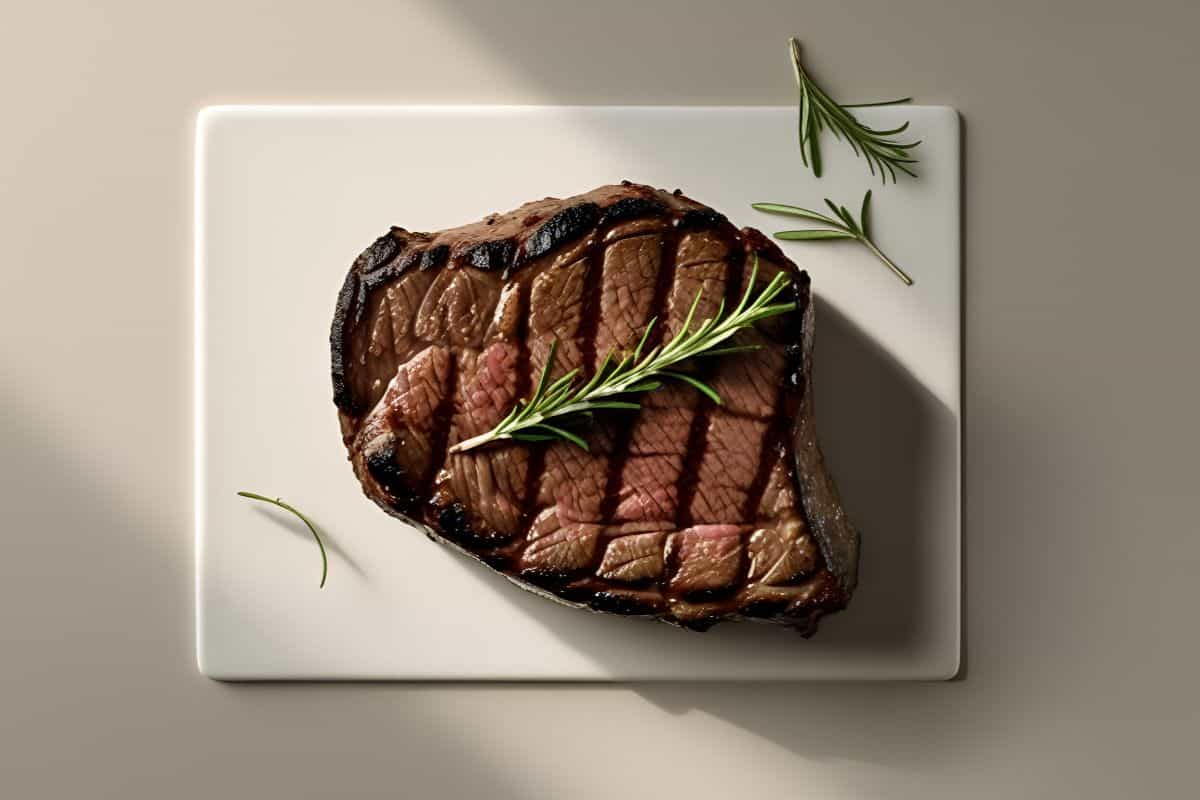
Global events such as the ongoing Ukraine war and extreme weather have also had an impact; drought in the UK has affected British farmers, while adverse weather conditions in cocoa-growing countries such as Ghana have pushed up prices globally. Beef and veal are up 24.9%, butter 18.9%, and both coffee and chocolate have risen by 15.4%.
Jim Mellon, Executive Chairman of Agronomics, the UK’s leading VC firm for cellular agriculture, warns that everyday staples are becoming increasingly unaffordable. “Beef, dairy, coffee and chocolate, four of our most loved staples, have all risen in price this year, driven by extreme and unpredictable climate conditions,” he said. “This price volatility is set to intensify over the festive period, squeezing household budgets further and forcing brands to shrink pack sizes, with smaller chocolate bars already appearing on shelves.”
What’s the solution?
Mellon states that urgent innovation is needed to ease pressure on the food system. “We’re on the cusp of a revolution in food production, one where we can bolster traditional farming with ingredients made in bioreactors here in the UK,” he said.
In a recent statement, Karen Betts urged the government not to add to the regulatory pressures on retailers when the Autumn Budget is announced. She said: “We’re calling on government to help us turn this tide by partnering with industry to attract investment, accelerate productivity growth, boost skills, and grow exports across our sector. This will help counter inflation and secure a more resilient future for UK food and drink manufacturing.”
However, retailers also have a role to play. Despite rising costs, many supermarkets are reporting strong profits – suggesting that in many cases, costs are being passed directly to consumers. Aldi is a notable exception, with profits down by a fifth after spending £300 million to absorb food inflation and shield customers.
As inflation continues to bite, retailers face the challenge of balancing rising operational costs with consumer sensitivity to pricing – especially as the festive season approaches. With pressure mounting from both economic and environmental fronts, the spotlight is now on how brands, policymakers and innovators respond to protect household budgets and reshape the future of food retail.
Stay informed
Our editor carefully curates two newsletters a week filled with up-to-date news, analysis and research. Click here to subscribe to the FREE newsletter sent straight to your inbox. Why not follow us on LinkedIn to receive the latest updates on our research and analysis?