‘Sustainability’ is something of a buzzword in retail – many corporations tout their green credentials, but scratch beneath the surface and the claims don’t always live up to expectations. For Oddbox, though, sustainability is built into their DNA. The company has raised over £26 million in funding and has become a leading name in ethical subscription retail, appealing to eco-conscious shoppers who want to make a positive impact while saving money.
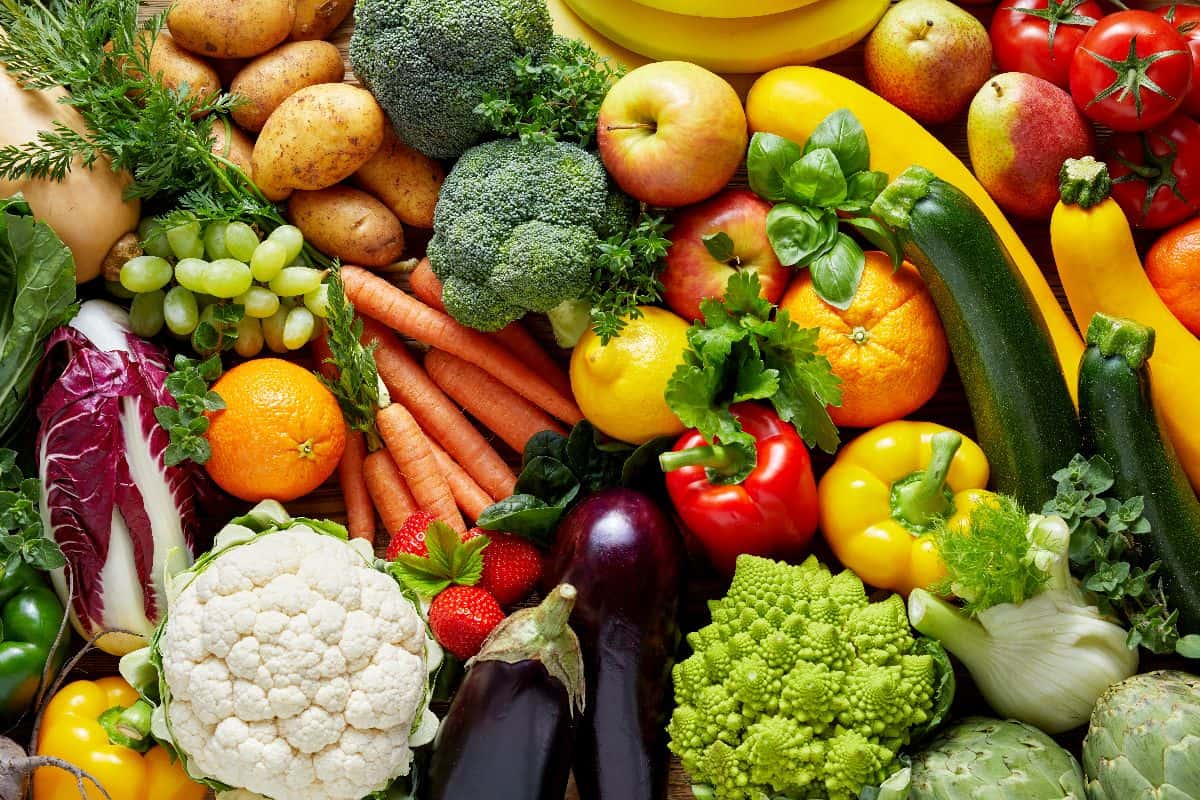
With a shocking 40% of food simply going to waste – something that’s been identified by Project Drawdown as a major contributing factor to climate change – Oddbox takes unwanted fruit and vegetables from farmers and sells them directly to consumers via its online subscription model. A small box of seasonal fruit and veg retails at £14.99 plus £1.99 delivery charge, with larger and smaller boxes available.
Typically, fruit and vegetables are rejected by supermarkets if they’re cosmetically unappealing (too small, too big, too ‘odd’ – hence the name Oddbox), and farmers sometimes find themselves with a surplus on their hands if their growing season has been particularly successful. This is where Oddbox comes in. The company was founded in 2016 by husband-and-wife team Emilie Vanpoperinghe and Deepak Ravindran, who say they ate an ‘ugly tomato which tasted delicious’ from a market in Portugal, prompting them to wonder why so much of the fruit and veg on sale in the UK was so uniformly perfect-looking.
The problem of wastage
This led them to the discovery that £17 billion’s worth of food is wasted in the UK, with around 20-40% of fresh produce never leaving farms because of strict rules imposed by the supermarkets on growers around size, colour and shape. Not only does this wastage cause problems for the suppliers, who’ve invested time and money into growing the crops, but it’s also damaging to the planet in terms of the wasted energy and water – not to mention the additional pressure on suppliers to use potentially environmentally-unfriendly fertilisers and pesticides to create perfect-looking produce. While the food sold by Oddbox is not organic, meaning fertilisers and pesticides may have been used in their production, the knowledge that ‘odd’ produce will still find a buyer can help reduce farmers’ dependency on such chemicals.
Oddbox is UK-based, and primarily uses produce from British farms, but given the UK’s limited growing season, does also source products from Europe. The company’s website states that they ‘only rescue produce if it’s genuinely at risk of going to waste.’ They are B-Corp certified and in 2022, teamed up with sustainability experts, 3Keel, for a research project with more than 30 of their growers to help better understand how they’re making a difference in the fight against food waste, published as their Do Good Report.
Focus on ethics helps loyalty
With a 4.5-star rating on Trustpilot, and numerous glowing reviews highlighted on their website, the company’s sustainable subscriptions model seems to be working for them. The focus on ethics and environment is a strong loyalty generator – a 2024 study by PwC found that consumers are willing to pay almost 10% more, on average, for sustainably produced or sourced goods. This loyalty, combined with the fact that the fruit and veg boxes changes weekly – and also that they’re a household staple that are essential for a healthy diet – has won Oddbox a reliable user base, despite customer churn being a major issue for most subscription retailers. The company was valued at £96.6 million as of November 2021.
The total ethical market is valued at £141 billion in the UK, according to the 2023 UK Ethical Markets Report, with ethical food & drink enjoying a significant 7.6% growth YoY – and although the report notes that the ethical market is vulnerable to cost-of-living pressures, it makes the point that many Britons are taking positive steps to adjust to a world where climate change is a threat by installing solar panels, swapping to electric cars, and/or buying second-hand. This suggests that, for companies like Oddbox, there is real loyalty to be had in an offering that combines value-for-money with sustainability.
Oddbox proves that tackling food waste can be a profitable and scalable strategy. By turning surplus produce into a subscription service, it taps into a growing ethical market and builds loyalty through genuine impact. In a sector where sustainability claims often fall short, Oddbox delivers measurable change – positioning itself as a brand with purpose and staying power.
Stay informed
Our editor carefully curates two newsletters a week filled with up-to-date news, analysis and research. Click here to subscribe to the FREE newsletter sent straight to your inbox. Why not follow us on LinkedIn to receive the latest updates on our research and analysis?