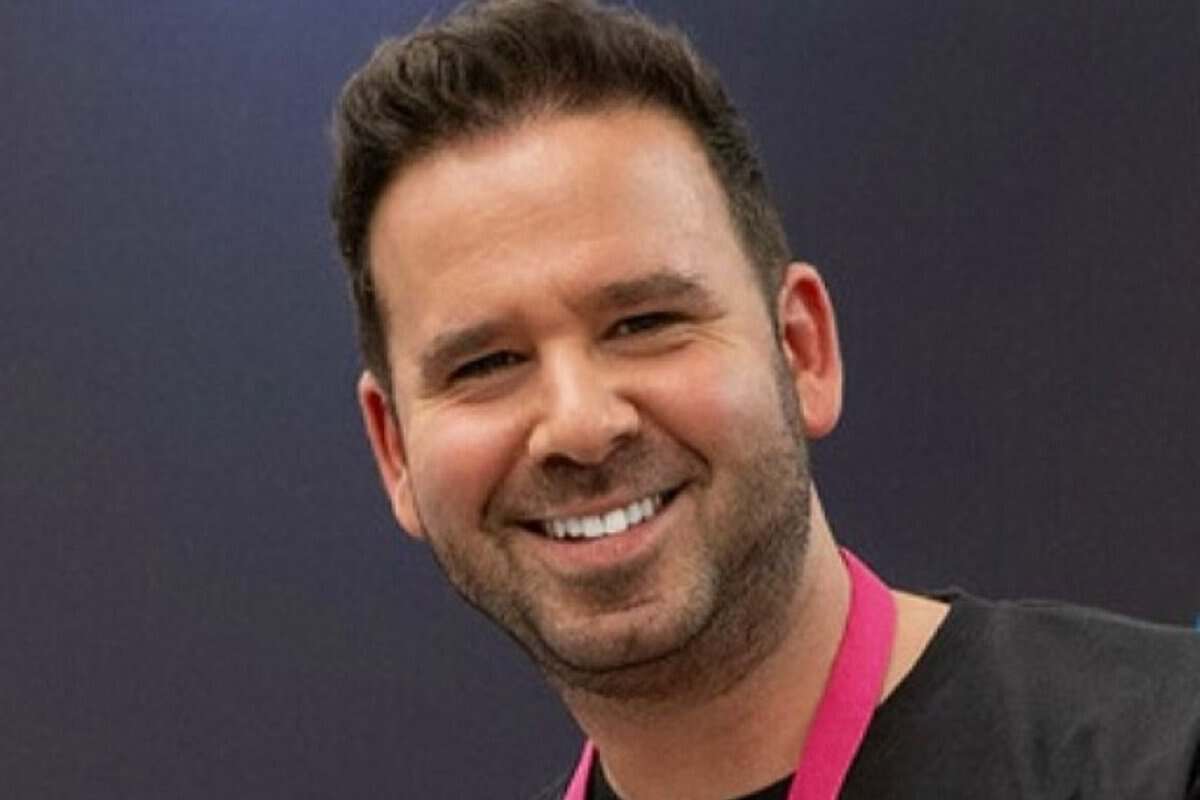
InternetRetailing spoke to Lara Daniels from Pulse Advertising, one of Europe’s leading global influencer and social agencies, about how retailers can create memorable influencer campaigns that produce measurable results.
When Unilever CEO Fernando Fernandez announced increased investment in influencer and creator marketing, it sent a clear signal: this isn’t a passing trend. One of the world’s largest consumer goods companies doubling down on creators isn’t because they’re a nice-to-have – it’s because the numbers prove influencer marketing works.
The global influencer marketing industry is expected to grow from $24 billion in 2024 to $32–33 billion in 2025, a 30–36% increase. This growth shows that consumers, especially Gen Z, trust social media. Izea research found that 42% of Gen Z checks TikTok before making big purchases.
“With trust being a major factor in online shopping, influencers help build credibility for retail brands,” says Lara Daniels, CEO and co-founder of Pulse Advertising. “A customer who discovers you through an influencer starts their journey from trust, not scepticism. That fundamentally changes lifetime value.”
Daniels says consumers trust influencer recommendations much more than branded social media posts. “The best influencer campaigns do both simultaneously – short-term conversion and long-term brand building happen in the same moment,” she explains. Influencers offer relatability and social proof, which traditional ads often lack, helping brands create a more authentic story.
Start with strategy, not follower counts
Of course, many UK brands are already working with influencers, including ASOS, Marks & Spencer and H&M. Primark dominates TikTok influencer collaborations, using 1,548 influencers to create 6,088 posts in a single year. It’s clear why Gen Z-focused brands are leaning into this channel – but what else do retailers need to consider when choosing an influencer? Daniels is clear: “Start with your objective, not the influencer. If you’re launching a product drop, you need reach and speed. If you’re building community, you need values alignment.”
She points out that it’s not about generic reach, but about targeting the right consumers. “Look for audience overlap with your target customer, not follower counts,” she advises. “An influencer with 50,000 followers who are exactly your demographic will outperform someone with 500,000 where only 10% match.”
Daniels recommends a “pyramid” structure for creating successful influence campaigns: one or two large influencers for awareness, five to 10 mid-tier for consideration, and 20 to 30 micro-influencers for community penetration. “For conversion efficiency, 25,000 to 75,000 followers is often the sweet spot. Micro-influencers deliver better ROI when you need authentic entry into tight-knit communities,” Daniels adds.
Offer a seamless experience
Equally important as choosing the right influencer – indeed, part and parcel of the process – is choosing the right platform. TikTok and Instagram Reels dominate retail conversions, especially in fashion and beauty. Home and lifestyle categories perform strongly on Instagram and Pinterest. And a seamless shopping experience within those platforms is increasingly essential – and will become more so with the growth of GenAI and agentic shopping. “The real shift? Platforms are becoming transaction-native,” Daniels says. “We’re moving from see it, click out, buy it to see it, buy it – all within the same app. TikTok Shop, Instagram Checkout, YouTube Shopping are fundamentally changing consumer behaviour. Retailers not preparing for social commerce are already behind.”
Once the platform and influencer are selected, it’s important that the content resonates. “Your products need to look compelling in 15-second clips,” Daniels says. “Shopping behaviour is impulse-driven, so emphasise discovery over lengthy consideration. Let influencers curate collections rather than promoting individual products. Creator-led storefronts perform better than brand-controlled ones.”
She believes retailers can benefit by trying new ideas. “Try livestream shopping with influencers as hosts. This is not used much in Western markets but is very successful in Asia. These platforms reward creative ideas more than big ad budgets.”
ROI and attribution
Despite the name, influencer marketing isn’t just about awareness or brand-building – its results are tangible and measurable. “Attribution is cleaner with unique codes and affiliate links,” Daniels says. “Cost per acquisition is often 30-50% lower.” And, unlike a TV spot that airs once, influencer content keeps working for months. Retailers also gain high-performing creative assets that can be repurposed across paid and owned channels. “Influencer partnerships give you precision that traditional ads never could,” Daniels notes.
She recommends focusing on important metrics like customer acquisition cost, return on ad spend, and conversion rate, instead of “vanity metrics” like likes and comments. “If you can’t draw a direct line from influencer spend to revenue generated, you’re doing it wrong,” she says.
Avoiding common mistakes
Influencer marketing relies on authenticity, so treating influencers as mere advertising channels rather than creative partners can undermine that connection. Strict briefs and approvals also hurt authenticity. Good storytelling means real integration. “The brands winning right now let influencers tell their own story with the product as a supporting character, not the hero,” says Daniels.
She points to The North Face’s campaign with DJ AG, The Coldest Dub as a standout example of a successful collaboration. The brand handed an exclusive D Double E a cappella to UK producers, inviting them to create dubs using exploration-themed sound packs. DJ AG launched it live from Camden High Street, scouting entries in real time. It was authentic, culturally relevant, and community-driven – a blueprint for influencer success. It was a “masterclass”, Daniels says.
“The pattern is clear,” she concludes. “The best influencer content doesn’t feel like advertising. It feels like culture happening that the brand is facilitating rather than forcing.”
Stay informed
Our editor carefully curates two newsletters a week filled with up-to-date news, analysis and research. Click here to subscribe to the FREE newsletter sent straight to your inbox. Why not follow us on LinkedIn to receive the latest updates on our research and analysis?