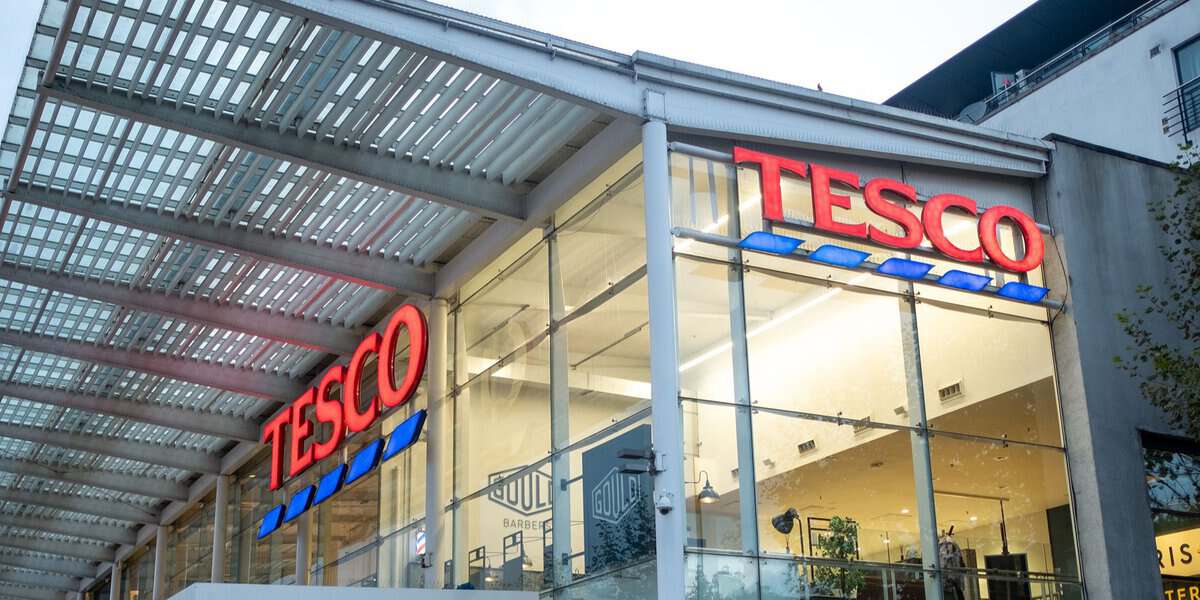
In July, subscription-based beauty retailer Beauty Pie announced that it was replatforming to Shopify to prepare for international expansion – including potential physical stores. With an army of loyal fans – and given the success that its competitor Sephora has enjoyed in capturing both the in-person and digital attention of its mainly Gen Z fanbase – it’s clear that Beauty Pie sees offline sales as a potential opportunity for growth.
However, it raises an interesting question for the subscription economy: after years of focusing on digital growth, are subscription retailers finding new value in bricks-and-mortar retail?
Subscription brands were born online. Businesses such as Beauty Pie, Gousto and HelloFresh built direct relationships with customers without the cost of maintaining store estates. Indeed, one significant benefit of a DTC subscription model is that it combines recurring revenue with detailed customer data and a highly personalised experience without the need for expensive floorspace.
A path to growth?
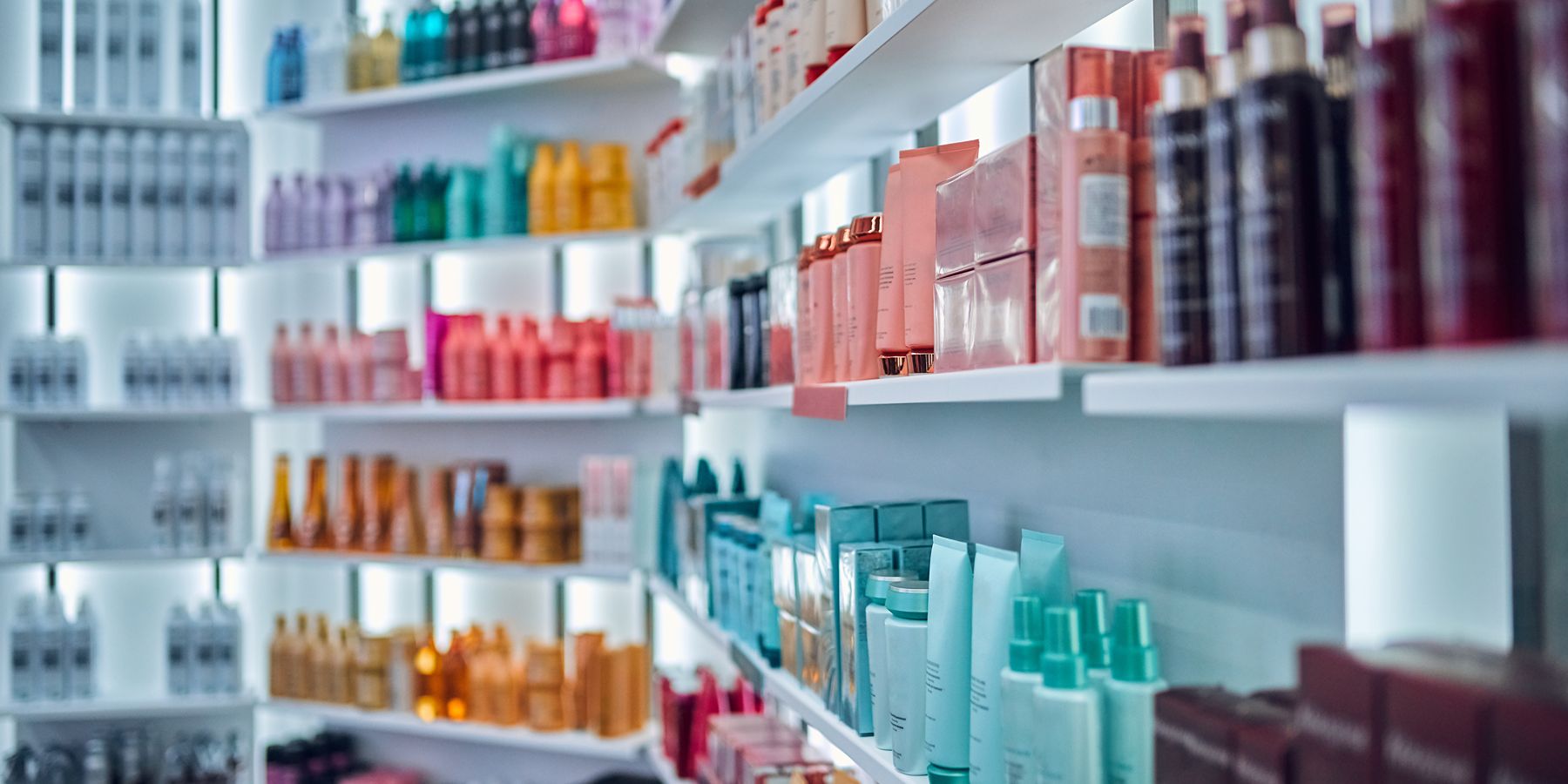
But as the sector matures, some brands are exploring whether physical locations can help them reach new audiences and strengthen customer loyalty. For beauty brands like Beauty Pie, the ability for customers to experience the products in-person has clear value. Sephora has strengthened loyalty by delivering experiential retail through interactive store formats, personalised digital diagnostics, and curated boutique layouts, while also winning new customers and building loyalty with a strong online and social media offering. Similarly, Beauty Pie has said its move to Shopify could support future store openings, creating opportunities to connect online and in-store experiences as the membership retailer enters its next phase of growth.
For subscription businesses, physical retail offers several advantages. Stores can act as customer acquisition channels, allowing shoppers to experience products before committing to a recurring purchase. They can also help build trust, particularly for brands selling premium products where customers may want to see, touch or sample items before subscribing.
The approach is not new. Hotel Chocolat combines its online subscriptions with an extensive store network and member programme, giving customers multiple ways to engage with the brand. However, while most retailers have started with the physical estate then added online DTC channels, Beauty Pie would be doing the opposite. Again, though, this isn’t completely new: Kim Kardashian’s leisurewear brand Skims – which also has a strong Gen Z following – has pivoted from cult digital darling to physical powerhouse in the last two years, including the opening of a flagship store in London.
How risky is it?
Physical retail can provide valuable visibility in increasingly crowded markets – particularly as customer acquisition becomes more expensive online – but it is not without risk. Footfall is down in high streets, and many retailers are looking to reduce their physical estates.
Nonetheless, some subscription retailers appear to be recognising that online and offline experiences can complement one another – particularly in the beauty space, where the audience is enthusiastic and engaged across multiple touchpoints. For retailers like Beauty Pie that have spent years building strong digital memberships, stores may represent the next opportunity for growth, helping them attract new customers, showcase products and give subscribers another reason to stay engaged with the brand.