
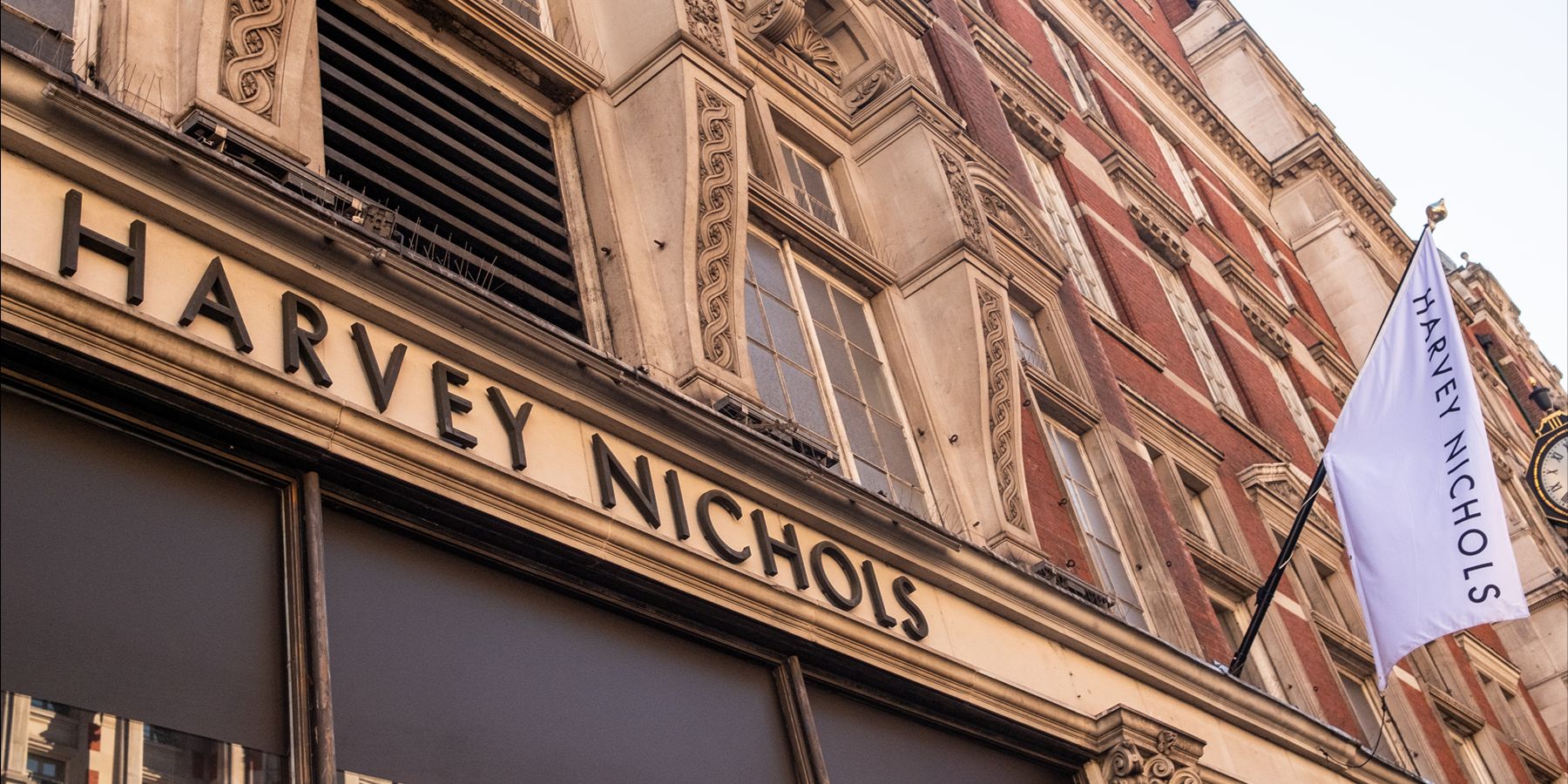
Harvey Nichols’ suppliers are facing approximately £270.5 million in losses following the primary trading company entering administration. Theindustry.fashion reports that luxury brands including Victoria Beckham and Jimmy Choo, which are owed about £353,34 and £174,201 respectively, can expect to recover just 15p in the pound, according to new filings at Companies House.
Harvey Nichols was bought by Frasers Group last month in a pre-pack deal that gave it all the business’ operational assets but not the historical liabilities. These remained with the administration estate and suppliers are expected to pursue a dividend through that process.
Frasers Group did, however, agree to pay affected personal shoppers and stylists in full for monies owed before the retailer went into administration. A Frasers Group spokesperson said: “Whilst this would normally be a matter for the administrator with no obligation falling upon Frasers Group, we would like to reassure these individuals that we will ensure they are paid swiftly and in full.”
What Harvey Nichols means to Frasers
The acquisition of Harvey Nichols is a major step in Frasers Group’s ambition to become a major player in the luxury sector. The company owns Flannels and significant public stakes in Mulberry and Hugo Boss, as well as a smaller stake in Burberry. The iconic Harvey Nichols flagship store in Knightsbridge is a significant asset for its portfolio.
The question remains, however, whether the luxury brands currently in Harvey Nichols will remain with the new owners. Many – including big names like Gucci and Prada – lost significant sums of money when Frasers Group acquired luxury fashion site Matchesfashion for £52 million in 2023, only to put it into administration just three months later.
Frasers subsequently bought the brand name and intellectual assets for £19 million, shedding around £80 million in trapped inventory costs and £50 million in unsecured debt. Suppliers were told they’d recover next to nothing. Burberry, Gucci and Max Mara were each owed about £500,000, according to reporting by the Guardian.
Why this acquisition is different
While suppliers may be spooked by the similarity in the mechanism of Frasers Group’s acquisition of Harvey Nichols, the two purchases are not identical. Harvey Nichols comes with significant real estate and deep relationships with luxury brands – relationships which Frasers needs to protect in order to achieve its growth ambitions.
But the brands hold many of the cards. Luxury stores are largely concession-operated, meaning brands can leave quickly and relatively cheaply if they choose.
For now, most are likely to take a wait-and-see approach. Harvey Nichols remains one of the UK’s best-known luxury retail names, and few brands will want to walk away from that platform prematurely. However, after the losses suffered by suppliers in the Matchesfashion administration, Frasers Group faces a significant challenge in rebuilding trust.
The success of the Harvey Nichols acquisition may ultimately be judged not by cost savings or restructuring progress, but by whether the world’s largest luxury brands choose to stay, invest and grow alongside its new owner. Harvey Nichols was viewed as an iconic destination for luxury brands. Whether it remains so under Frasers Group remains to be seen.
Our editor carefully curates two newsletters a week filled with up-to-date news, analysis and research. Click here to subscribe to the FREE newsletter sent straight to your inbox. Why not follow us on LinkedIn to receive the latest updates on our research and analysis?