
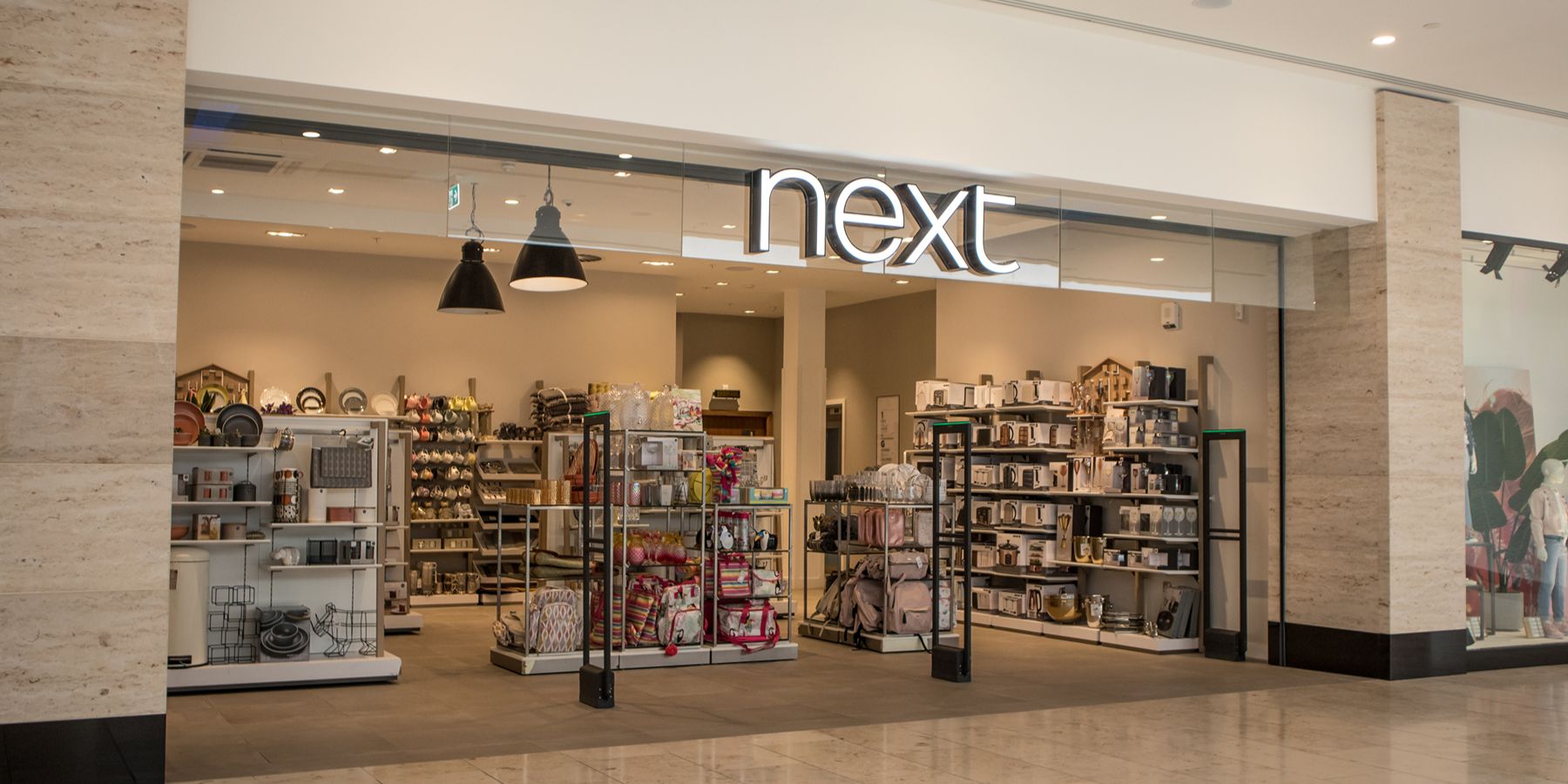
Next has raised its profit guidance for the full year – for the fourth time this year.
The company says the increase – up £12 million to £1.255 billion – was “the result of a small upgrade in sales expectations and some additional cost savings, mainly in warehousing.”
Total group sales (including subsidiaries) were up 9% to £3,540 million, and profit before tax was up 10.5% to £569 million, for the first half of financial year 2026.
Next described H1 2026 as “much better than we originally anticipated”, adding that “growth did not come at the expense of profitability.”
Online performs strongly
Online sales were up 7.4%, while in-store sales declined by 1.7% – a modest fall, given the challenging economic environment and the structural pressure on in-store estates from online shopping. Combined with the strong online growth, the figures suggest that Next is strengthening its success as an omnichannel retailer.
The financial report states that although the numbers are “very healthy”, the one cause for concern is Next’s own-brand label, which was down 0.5% to £7 million year-on-year. This is attributed to the brand benefitting last year from disruption experienced by a competitor (unnamed in the statement but likely M&S), plus the dramatic growth of third-party and wholly-owned brands impacting on sales.
It also pointed to its investment in increasing warehouse capacity as another reason for the growth.
The impact of the Middle East conflict
The company warned in February that it was expecting disruption in the Middle East to impact on its sales, with prices in that region rising because of it. However, total international growth remained strong at 24%. Next attributes this to the success of its digital marketing, which saw an incremental profit of £1.77 on every pound spent.
Looking forward, Next expects its investment in AI capabilities – including an AI Business Analysts agent and a Coding agent – to speed up operations and deliver savings for the business. Over the next two years, the company believes this could lead to “at least 30% higher productivity on the total development lifecycle.”
It is also looking at using AI technology to modernise its legacy mainframe software – a cost to the business previously calculated at £50 million. With AI assistance, the company now believes it could cost just £10 million.
Tax warning
Despite the success of H1, Next has cut its forecast for second-half UK sales growth from 2.8% to 2%, citing rising inflation, higher mortgage rates and a weak employment market. It used the opportunity to issue a warning to the government that raising taxes in the much-anticipated Autumn Budget could have the unintended consequence of stifling growth.
“The tax burden is at its highest level for over 60 years, and seems to us to be at the point where further increases only risk stifling growth – and lower growth is likely to only worsen Government finances – a vicious circle,” it said.
It added that the only solution to the predicament was to “control [government] spending or boost growth, preferably both.”
Despite the challenging economic climate, Next continues to outperform expectations – including its own. Its combination of resilient store estate, powerful online growth and a razor-sharp focus on efficiency have delivered yet another profit upgrade, and its focus on AI shows that it’s looking ahead to the next stage of growth. Nonetheless, it has also a delivered a clear message to the government: it is a British business that is performing strongly; now to sustain that growth, it requires the economy to do the same.
Stay informed
Our editor carefully curates two newsletters a week filled with up-to-date news, analysis and research. Click here to subscribe to the FREE newsletter sent straight to your inbox. Why not follow us on LinkedIn to receive the latest updates on our research and analysis?