
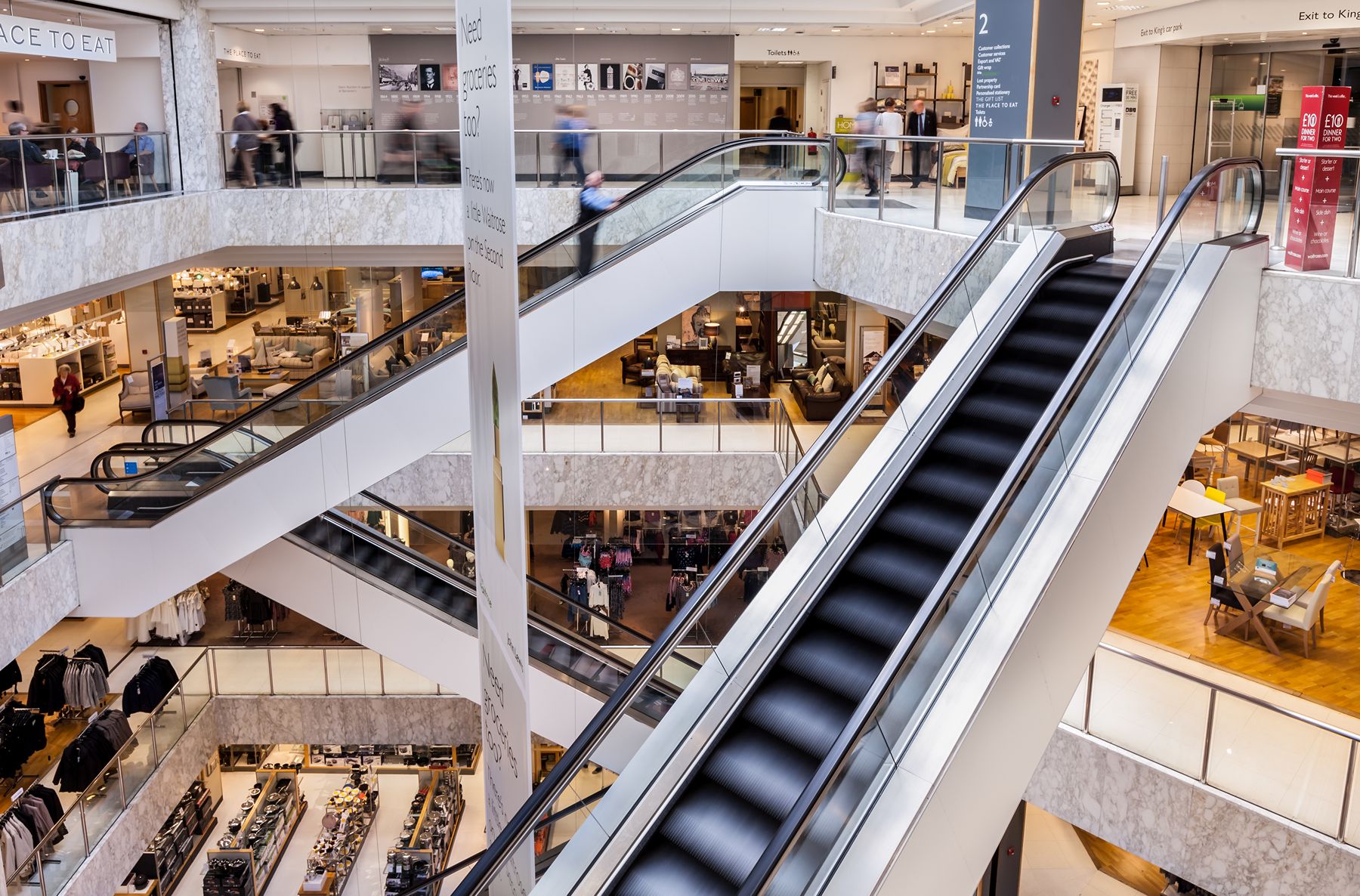
As the Golden Quarter approaches, some of Britain’s best-known retail names are gaining traction in fashion despite softer demand across the wider market. John Lewis, Harrods and Selfridges have all increased consumer interest over the past year, together accounting for 8.43% of fashion and retail searches.
Ecommerce agency MediaVision used its proprietary technology, Metis, to analyse UK consumer search behaviour between July and September 2026, examining which brands are gaining and losing attention ahead of the festive season. According to the company’s CEO Louis Venter, the findings point to an “interesting shift” in where consumers are directing their attention.
“While the wider fashion market has experienced a seasonal slowdown, established names including John Lewis, Harrods and Selfridges have all strengthened their share of brand demand,” he said.
“With Christmas approaching, this puts the spotlight back on retailers offering more than just a single product category. From fashion and beauty to homeware and gifting, multi-category retailers have an opportunity to capture consumers across several shopping occasions, particularly as competition for attention intensifies ahead of the Golden Quarter.”
Next and Primark lead the pack
While overall brand search demand softened during the quarter, some retailers continued to perform strongly. Next retained the largest share of fashion brand searches at 7.16%, reflecting its strong Q2 performance. It was followed by Primark (5.82%), Sports Direct (4.17%), TK Maxx (3.82%) and Vinted (3.54%), all of which recorded year-on-year growth.
The results suggest shoppers remain price-conscious, favouring value and second-hand retailers over full-price premium brands.
By contrast, several online-first and fast-fashion retailers lost ground. Shein saw the biggest decline in search share, down 0.37 percentage points year on year, followed by Very (-0.35pp) and ASOS (-0.24pp).
Molly Goffin, digital PR manager at MediaVision, said retailers that can engage customers across multiple shopping missions are well placed heading into the festive season.
“Department stores have long been associated with festive shopping, but their appeal today extends beyond tradition,” she said. “Their ability to bring multiple categories, brands and price points together creates opportunities to engage consumers across different needs and occasions.
“While the data doesn’t necessarily indicate a return to physical shopping over online, it does highlight the continued relevance of established retail brands within an increasingly competitive market.”
Building demand from the ground up
She added that relevance is key. “What connects many of the retailers gaining ground is their ability to remain relevant across multiple shopping moments. From Primark’s summer campaigns to Next’s extensive product offering, brands are building consumer interest rather than simply waiting for demand to arrive,” she said.
“As we approach Black Friday and Christmas, maintaining that attention will become increasingly important. Retailers that understand changing consumer needs and respond at speed will have greater opportunities to capture demand throughout the festive period.”
Taken together, MediaVison’s data suggests that, while consumer demand may be cooling, retailers that stay visible across multiple categories, occasions and price points are entering the Golden Quarter with momentum. In a highly competitive environment, chasing demand is rewarded – while staying still is not.
Stay informed
Our editor carefully curates two newsletters a week filled with up-to-date news, analysis and research. Click here to subscribe to the FREE newsletter sent straight to your inbox. Why not follow us on LinkedIn to receive the latest updates on our research and analysis?