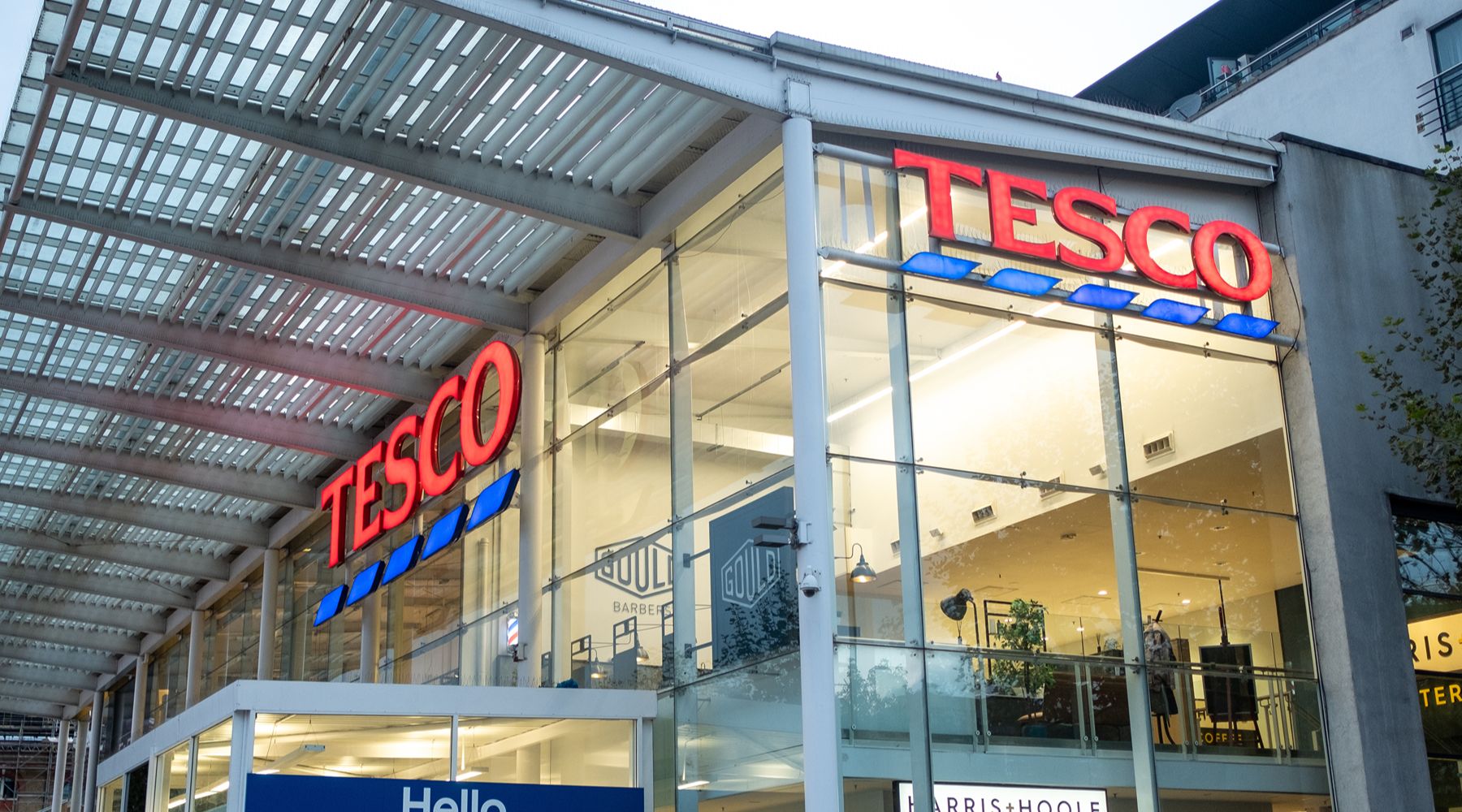
The Supreme Court has blocked Tesco’s final attempt at appealing a critical procedural ruling in a multi-billion-pound court battle over equal pay. Legal firms Harcus Parker and Leigh Day brought the claim in 2018 on behalf of 16,000 shop workers who allege that they are underpaid compared to distribution workers.
Tesco’s shop workers are predominantly female whereas Tesco warehouse workers are predominantly male. The disparity in pay is as much as £5.50 an hour.
Tesco had disputed the Employment Tribunal’s finding in May that Tesco’s training materials could properly be treated as determinative of what staff were required to do unless there was clear evidence to the contrary. Tesco had argued that these were not a reliable determinant of the work and instead wanted individual claimants to prove their precise day-to-day duties.
The case can now go ahead and is likely to be sped up by the removal of this major procedural barrier.
What Tesco is arguing
Tesco’s argument is that the unequal pay between shop and warehouse staff is not related to gender, but is legally justified by distinct operational skills, recruitment pressures and market rates. However, Jo Mackie, employment partner at national law firm Michelmores, said Tesco’s reliance on market-rate arguments strikes at the core issue in the case.
“Tesco had to try to rely on (amongst other things) a market rate argument that women shop workers were generally paid less than men for various reasons and so they were simply following what the rest of the market had done for decades,” Mackie said. “The court was having none of it, and this really goes to the heart of equal pay legislation, which is about equal pay for work of equal value, regardless of gender or of what has ‘traditionally’ been the case.”
A Tesco spokesperson said: “The jobs in our stores and distribution centres are different. These roles require different skills and demands which lead to variations in pay, but this has absolutely nothing to do with gender.”
Tesco faces payouts of up to £4 billion in backdated payment claims from its shop workers should it lose its specific case.
More claims being brought
Similar claims have been lodged against Asda, Sainsbury’s and Morrisons. The total industry liability is estimated at around £8 billion.
The result of the latest ruling will see one of the UK’s largest equal pay claims progress towards trial – and with liabilities in the billions across the supermarket sector, the case is being closely watched as a test of how employers can justify pay disparities between predominantly female and predominantly male workforces. The eventual outcome could have far-reaching consequences for equal pay litigation across the retail industry.
Stay informed
Our editor carefully curates two newsletters a week filled with up-to-date news, analysis and research. Click here to subscribe to the FREE newsletter sent straight to your inbox. Why not follow us on LinkedIn to receive the latest updates on our research and analysis?