
Shashank Agrawal, founder and CEO of StarApps, explains how agentic search and shopping are transforming the role of the traditional homepage – and rewriting online retail conventions.
The homepage is no longer the “front door” for most online shoppers, yet brands continue to dedicate time, energy, and resources to building a front page as though it were.
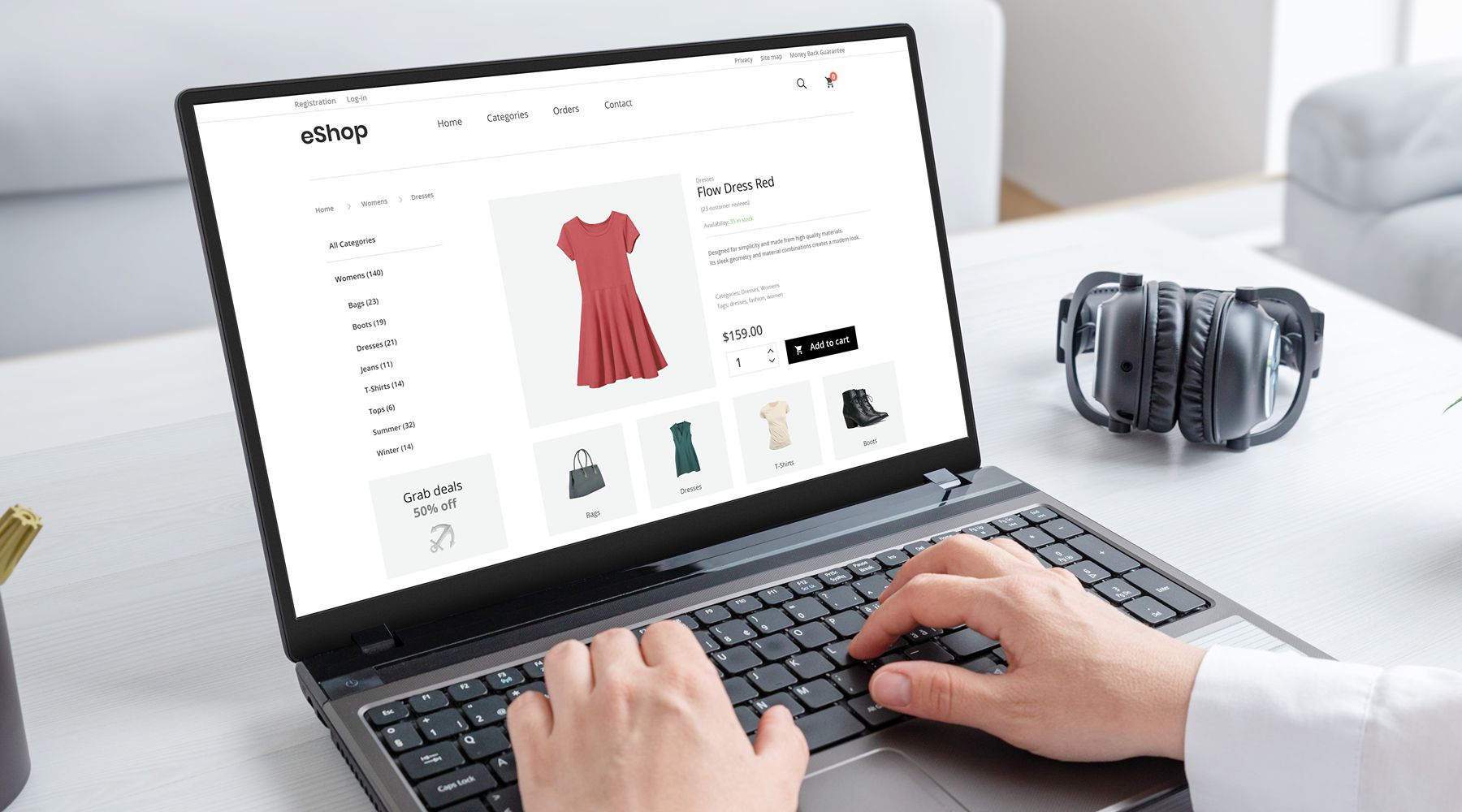
So, where is the new front door to a brand’s website? The data is pointing to the product page. In fact, more than half of AI-referred sessions now land directly on the product page. For organic searches, it’s about one in five. This new starting line should be reshaping how brands approach UX and webpage redesign projects, but it isn’t. Here’s what to know, and how to prepare accordingly.
The acquisition funnel just got more complex
The shift to AI-driven discovery has made the customer acquisition funnel less direct. Shoppers aren’t following your marketing funnel anymore; they’re arriving via AI recommendations, and with much of the decision for brand selection already made. TikTok Shop shows the extent of this at the platform level. Its global merchandise value is on track to surpass $100 billion this year, a volume of transactions that routes customers straight to a product listing, skipping over the retailer’s homepage.
This is forcing brands to rethink where they spend. As advertising costs rise and AI intermediaries handle more of the discovery work, brands are reallocating budget from acquisition to retention and loyalty. That means the product page isn’t just doing conversion work, but also relationship work.
But this doesn’t render the homepage irrelevant or useless. It still has an important stake in the customer journey. The widespread issue is, however, that most homepages are built as though they still are the default entry point for everyone instead of one potential path among multiple routes that now have increasing weight in buyers’ momentum.
The industry has yet to build product pages that meet the shifting customer journey. There’s a readiness gap as well as a design gap that must be bridged. Although site audits find that product pages fail fewer conversion checks than homepages, that isn’t actually a promising sign. Both pages are showing signs that they are not built to ensure trust on their own.
And adding another badge or review widget does not always suffice to build that trust if the context and placement are not explicitly informative about the product. For example, a review aligning with a customer’s decision point that covers size, fit, material, texutre, and customer care is more relevant, helpful, and trustworthy than a generic brand-praising one.
The accelerated pressure from the AI/GEO layer
The pages that an AI tool will pull tend to have met the specifications; in other words, concrete answers to prompts or questions a shopper likely would have given an AI tool.
When an AI system is recommending products, it pulls product pages that have explicit, structured information. AI systems prefer and reward specificity, like materials, exact specifications, what variants are available, and what customers have actually said about how the product performs. Generic marketing copy doesn’t help AI systems make recommendations the way concrete, specific details do.
This is where most merchants hit a wall. The data exists somewhere, but it’s scattered. A merchant might know from customer service conversations or return patterns that a sweater runs small, but if that information isn’t explicitly on the product page in a way an AI system can read and understand, the page loses its chance at recommendation, and the AI moves on to a competitor’s page where the information is clear and retrievable. This is precisely why variant-level analytics data needs to be brought front and center.
What brands need to prioritise
The practical approach is to ask the right questions before diving into a whole rebuild. Is content on the product page also legible for an AI system reading it on a person’s behalf? Are the key details around the product’s specifications clearly communicated? Is the homepage showing website traffic patterns that indicate it’s not anchoring customers?
I find that brands reach for personalisation here. Realistically, though, one-to-one personalisation is still out of reach for most retail websites. In my experience, what gains more traction is a more straightforward route involving a handful of product page variations by traffic source or intent.
While pages’ purposes are evolving, the homepage should not be deprioritised. It still is a vital pillar of any brand or company’s website, especially for returning, loyal customers. Treating the homepage as the only starting point is a mismatch retailers need to overcome, especially because it’s reshaping how they should allocate resources. As AI handles discovery, brands are shifting spending from acquisition to retention. Your product page isn’t just the entry point; it’s now where loyalty is built or lost.
Stay informed
Our editor carefully curates two newsletters a week filled with up-to-date news, analysis and research. Click here to subscribe to the FREE newsletter sent straight to your inbox. Why not follow us on LinkedIn to receive the latest updates on our research and analysis?