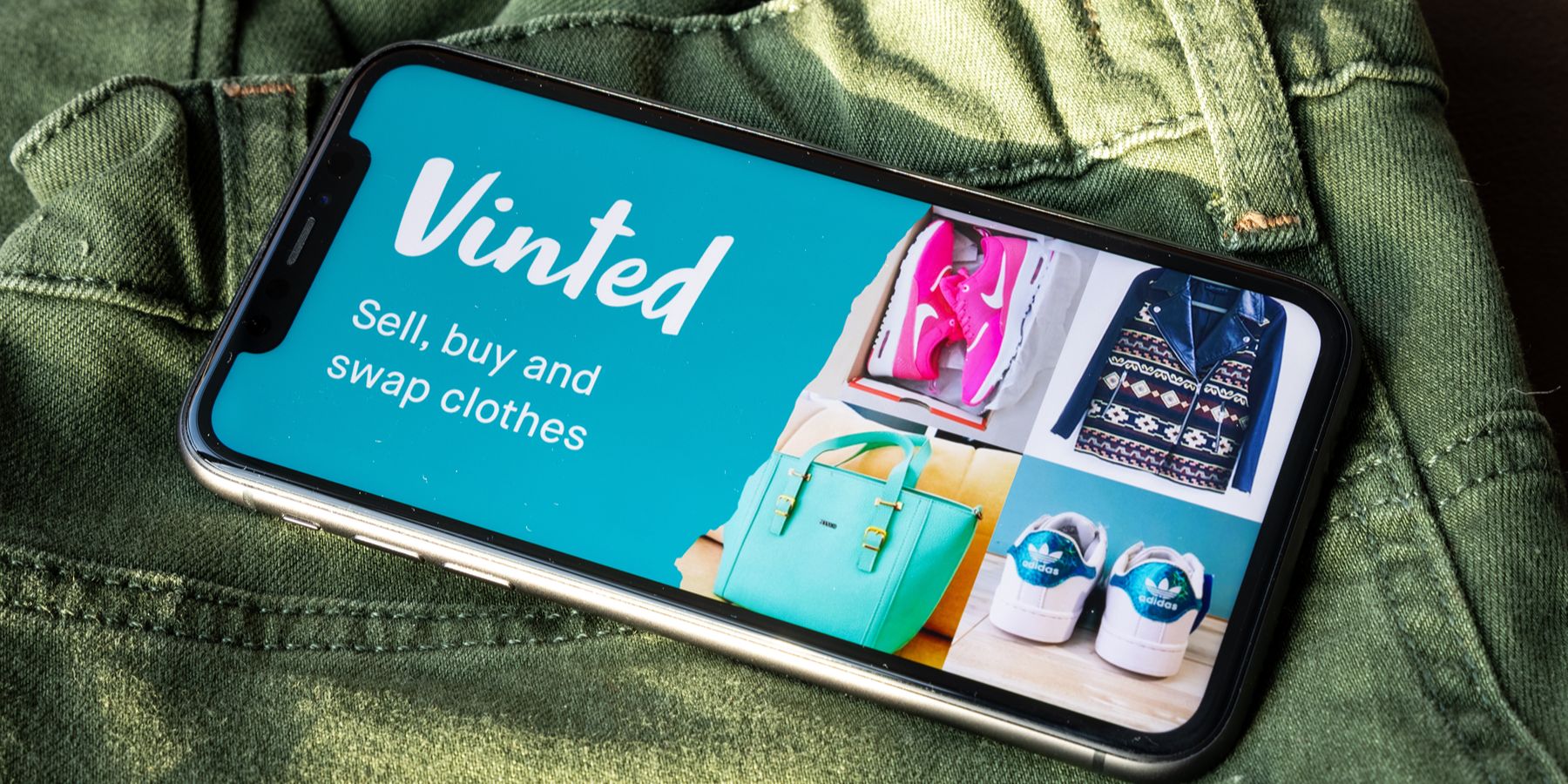
IP lawyer Daniel Fletcher from Forbes Solicitors explains why Vinted’s updated Terms and Conditions, designed to deter the sale of counterfeit goods, could have unintended consequences.
Vinted’s updated Terms and Conditions introduce stronger measures to protect consumers and brands from counterfeiting. Undoubtedly, the changes are a welcome move, but will they accelerate a shift in the selling of fakes offline?
Counterfeiting is a costly, widescale problem. Recently, the EU Intellectual Property Office announced seizures of more than 1.7million fake items valued at €17.4 million. Illicit goods were seized at ports, airports and land borders as they moved into and across Europe, with criminals ripping off famous clothing and cosmetic brands. Burberry, Christian Dior, Giorgio Armani and Paco Rabanne were just a few of the famous brands being cheaply imitated.
Many counterfeits end up sold online. According to the UK’s Intellectual Property Office (IPO), 64% of fake clothing products were bought online last year. Reseller marketplaces tend to be a prime location for rogue sellers, who attempt to sell fakes as new or pre-loved bargains. This isn’t lost on the likes of Vinted, which continues to crackdown on counterfeiting.
How the updated T&C work
Vinted’s updated Terms and Conditions (T&Cs) took effect from 8 October 2026 and include stricter measures for handling suspected fake items. Buyers can raise authenticity concerns that will be investigated by the resale platform, with questionable products now retained for a period of six weeks. During this time, items go through a verification process reviewing product attributes, condition and functionality, while sellers also have an opportunity to present satisfactory proof of authenticity. If they don’t provide this proof and a product fails authenticity checks, a seller waives any right to claim the item, meaning it will be destroyed by Vinted.
The updated T&Cs build on Vinted’s existing due diligence against counterfeiting, including its collaboration with the Intellectual Property Office (IPO) to help consumers buy and sell legitimately. Is there a risk though that tighter controls will, inadvertently, create a displacement effect, shifting the sale of counterfeits to other channels that are more difficult for brands to monitor?
Are criminals simply moving offline?
There already appears to be a trend of fakes moving offline. In September, the IPO published its Trading Standards survey 2025-2026, which shows increasing investigations of counterfeit/pirated and design infringing goods at shops, outdoor markets and car boot sales.
During the past five years, investigations at car boot sales more than doubled from 10% to 22%. Investigations at shops increased from 82% to 87%, while outdoor markets saw a rise from 22% to 25%. At the same time, observations and concerns about counterfeit and design infringing goods being sold via websites and social media have declined.
The selling of fakes online isn’t likely to go away and it remains a concern. However, does the IPO and Trading Standards data show that criminals are adapting to the growing scrutiny facing digital channels by switching to car boot sales, shops and outdoor markets? If this is the case, the fight against fakes can become more complex for brands.
Digital channels such as online marketplaces and social media often provide a digital trail. This can be rich with information including seller profiles, messaging histories, delivery data and payment records. All of this information can be pieced together to trace the flow of goods to disrupt counterfeiting operations and bring offenders to justice. It’s also much easier for brands to run online searches, and even more so now using AI tools, to identify the sale of suspect products and build intelligence. Most of this information disappears when sales move offline.
What brands can do to protect themselves
Brands may have to adapt strategies for evidence gathering across physical trading environments. This can involve mystery shopper exercises to spot counterfeits, which can also be run in partnership with Trading Standards. Intelligence gathering is vital for this, as it enables Trading Standards’ Officers to carry out monitoring and test purchase operations to seize illicit goods. It’s important to note that digital channels can still prove helpful for brands. For example, car boot sales are often advertised through social media and may quickly attract comments from unhappy shoppers, creating potential flag for brands about counterfeiting hotspots.
In addition to monitoring, brands are best-placed prioritising prevention and protection. Businesses should ensure that intellectual property portfolios are regularly reviewed and up to date. It also worth considering measures like unique serial numbers, security labels and QR codes. Backing up these steps with consumer education campaigns can help shoppers to be more vigilant against fakes and also encourage the reporting of counterfeits. Looking to the near future, Digital Product Passports could also help create another point of authenticity for brands and consumers.
Customs recordals are another useful measure that enable brands to support customs’ efforts to stop counterfeit goods entering the market. This involves providing the authorities with details of registered trademarks, product designs and points of genuine product authenticity to enable the identification and seizure of suspected items.
As counterfeiting moves offline and returns to markets, car boot sales and shops, some of the most effective IP protection can often come from having robust rights in place, as this can equip authorities with the tools to take quick and decisive action that stops counterfeiters in their tracks.

Stay informed
Our editor carefully curates two newsletters a week filled with up-to-date news, analysis and research. Click here to subscribe to the FREE newsletter sent straight to your inbox. Why not follow us on LinkedIn to receive the latest updates on our research and analysis?