

Most ecommerce sites are emotional flatlines. Their homogeneous approach follows a narrow set of conventions – white backgrounds, grid-based product listings and unremarkable interactions. This sameness leaves little room for brands to stand out and capitalise on decision making moments.
Thinking of the wider customer journey, the intrigue of an ad or aspiration of a campaign quickly turns into a sterile grid of SKUs. Resulting in an experience and brand that is ultimately forgettable. When ecommerce sites feel interchangeable, consumers hesitate, delay or default to price-based decisions.
It’s important to remember that brands aren’t just selling things – they are selling the idea of transformation. A transformation unique to that industry and sector: confidence in beauty, belonging in fashion or mastery in tech. To deliver on that desired transformation, you need to understand consumer’s emotional starting point. Consumers don’t just have needs, they have feelings, these feelings shape the actions they take.
Sound interesting? Catch true’s whitepaper on The Value of Emotion in Ecommerce here.
Consumers need more than speed and efficiency. They want connection, surprise and a spark of desire. When ecommerce experiences are designed with emotion in mind, they foster connection. Emotional connection doesn’t just increase conversion; it creates a lasting memory structure. Turning interactions into long-term loyalty, and transactions into relationships.
1. More than functional
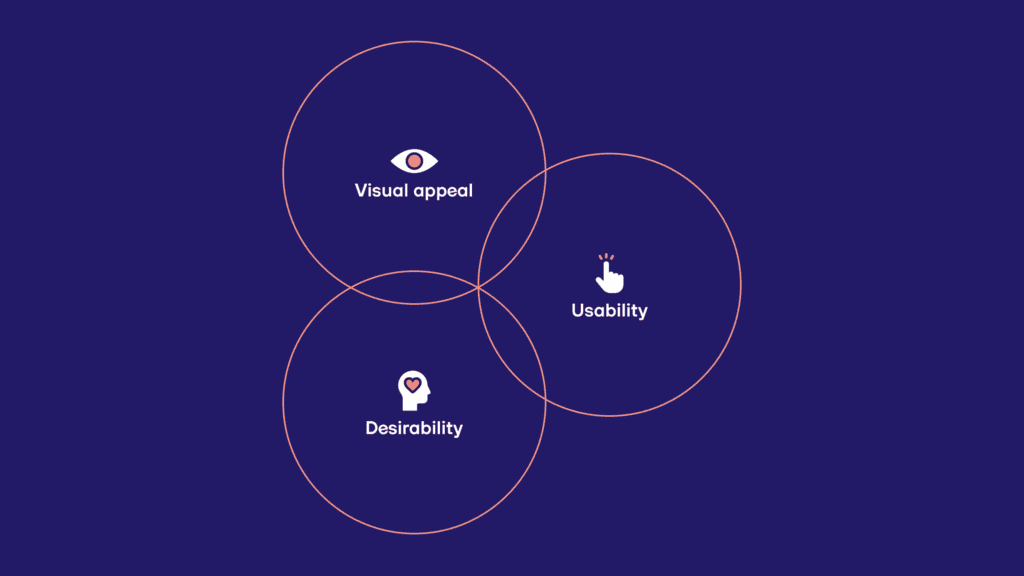
Too often we reduce user experience to usability. We forget that crafting a standout user experience requires a multi-facetted approach that includes; usability, visual appeal and desire.
Usability is a fundamental starting point to ensure experiences are functional, efficient and accessible. But a frictionless experience alone, does not create a great experience. It means you have met expectation; you succeeded in not creating a negative. That doesn’t mean you were memorable, connected emotionally or made people want your product.
The homogony we see across ecommerce results from focusing solely on usability. We find patterns and templates that work and replicate them across categories and sectors. Efficient patterns are extremely valuable in functional areas. But when expressing the brand and the products – do you really want to feel like everyone else?
On the other end of the spectrum, some brands lean too heavily into novelty and aesthetic appeal. They create visually stunning experience that dazzle at first glance but create issues on closer inspection. Visual appeal can positively impact perception of usability, quality and memorability. But without balance, the experience can be so unique it becomes difficult to use. Too often, these experiences sacrifice clarity, overwhelm users, or obscure key information.
Then there is the third and often missing piece – desirability! Consumers must want your product; they need to develop an emotional connection that sparks desire. Desire is what makes people choose one brand over another, and it occurs when users believe a product will help them achieve something meaningful.
If we are not cultivating a sense of desire, we are not creating experiences that drive loyalty, preference, and advocacy. When we design with desire in mind, emotional design shifts from a nice-to-have to a competitive necessity.
Why does it matter?
Many ecommerce leaders obsess over speed, functionality, and funnels, focusing on improving results for dissatisfied customers. While this is important to ensure you don’t lose market share, this doesn’t significantly impact on growth.
The consumers emotional state and connection need to be leveraged. Brands need to focus in on fostering desire across all interactions. A purchase journey is no longer a linear action. It’s a web of decisions, inspiration, needs, emotional hurdles and triumphs. If we spend time on making every interaction an opportunity for emotional connection, we see results.
Research shows that emotionally connected customers are;
- 2x more valuable as highly satisfied customers
- Have a 306% higher life time value
- spend on average 67% more per order.
- Stay loyal to a brand for twice as long
- Recommend the brand at higher rate 30.2% vs 7.6%
Allbirds case study
Challenge
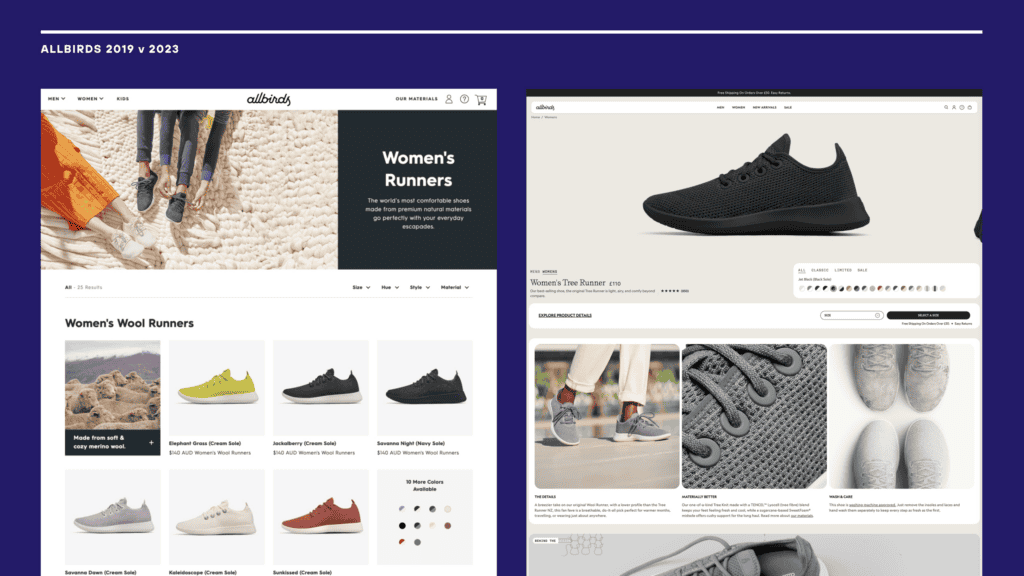
In 2023 Allbirds’ website experience had several challenges.
- Lower than desired conversion rates
- High cart abandonment rates
- Difficulty showcasing their product line
- Need to better communicate their sustainability story
Approach
Allbirds redesigned ecommerce experience uses emotional triggers to reassure consumers on quality and foster belonging for the eco-conscious. Through micro-interactions, engaging interactivity, and elevated storytelling, the brand invites shoppers into its sustainability mission while highlighting the quality and innovation of its products.
- 35% increase in conversion rates,
- 40% increased average order value
- 28% increase in time spent on product pages.
2. Understanding emotions
Emotions drive up to 95% of purchasing decisions.
So, we know emotions are important and result in a higher LTV – but what are emotions? and how do we use them within our experiences?
Emotions are continuous push and pull of, reaction, interpretation, and action. Emotions matter because how we feel shapes how we think and what we do.
To influence someone emotionally, we must understand their emotional starting point. This requires a deep understanding of your audience. Go beyond what they want or need, to understand how they feel. What positive feelings can you capitalise on, and which negative feelings must be counteracted.
There are 7 universally recognised emotions: fear, disgust, sadness, anger, happiness, surprise and neutral. These emotions can be broken down further, to explore the nuances within a broad term like “happy” or “fearful”. It is in exploring these nuances where the opportunity lies.
Wheel of Emotions table
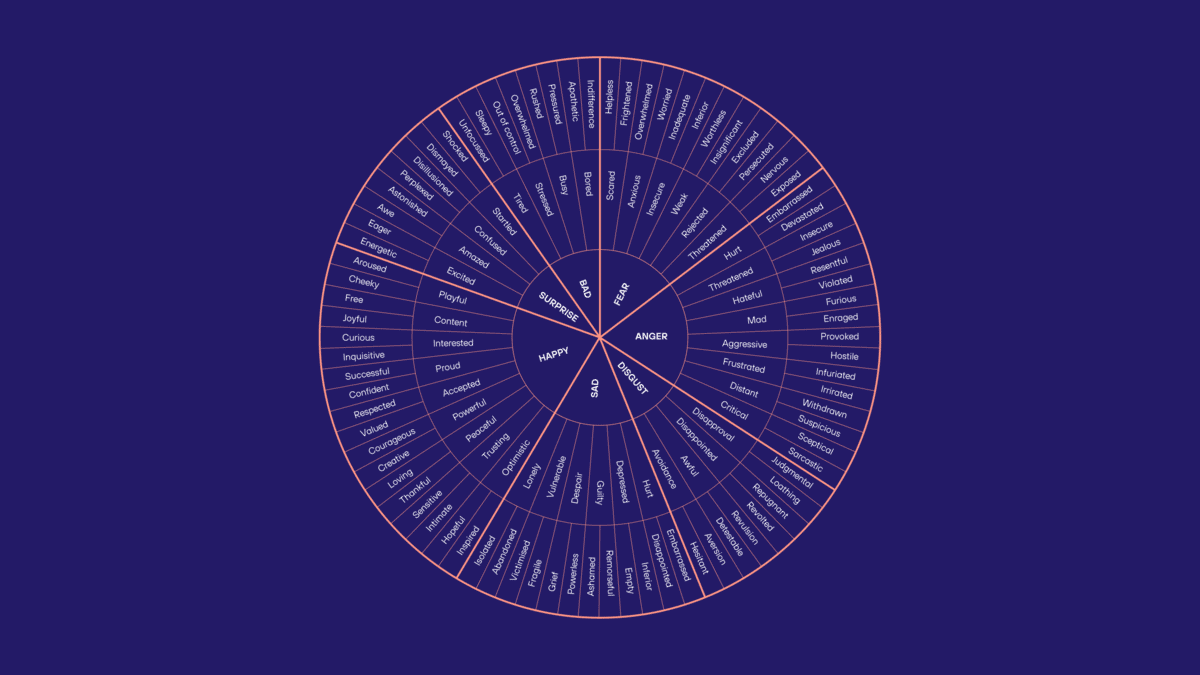
Our study revealed that users of a wine website portray signs of fear. It sounds exaggerated to say consumers fear purchasing wine. But fear encompasses inadequacy, worry and inferiority. All feelings experienced when purchasing wine. The brands that recognise this emotional baggage and counteract it, will be the brand that develops the emotional connection.
Transformation: the bridge between current emotional state and desire
So how do we turn consumers emotional starting point into desire? Through transformation!
The need for transformation is the bridge that connects users current emotional state to their desire. We know we want users to go from fearful to delighted, but that doesn’t provide enough direction. Understanding the transformation provides us with the insight required to spark ideas and opportunities to push the experience.
Sector examples
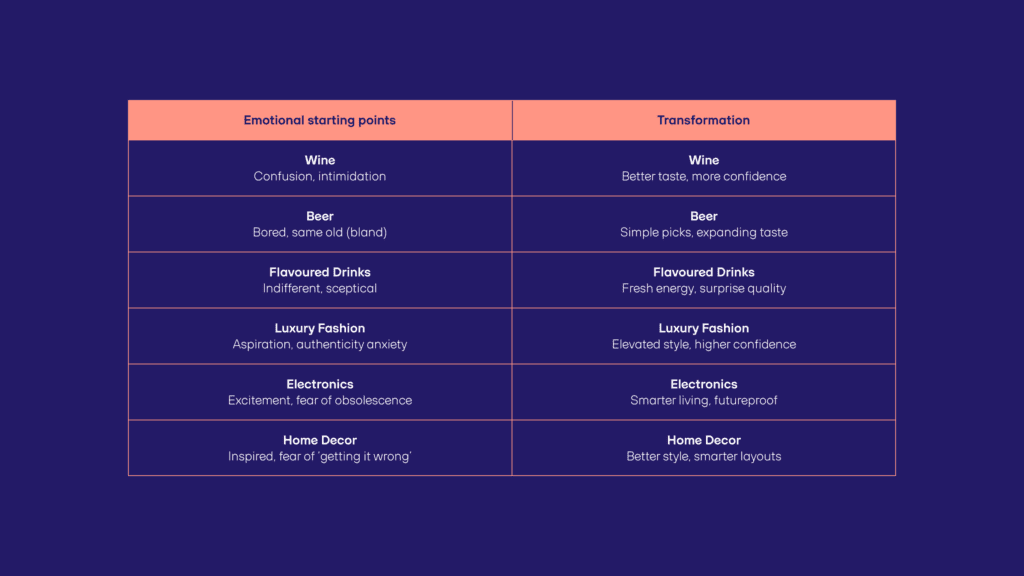
3. Designing for Emotional Context
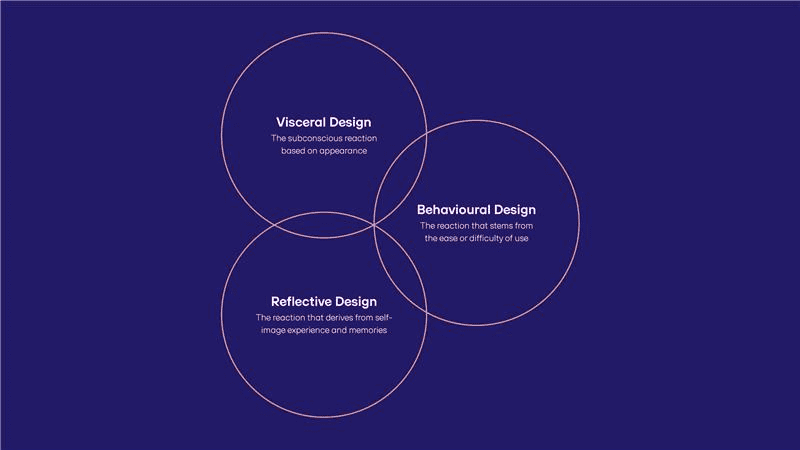
Once you understand the emotions you need to address, you need to design for them. There are three dimensions of emotional design; Visceral, Behavioural and Reflective. Each one of these can be designed for and used to affect the user’s emotional state and bring to life the transformation they desire.
Levels of emotional design
Visceral
Our visceral reaction is subconscious reaction to perceivable aspects of the digital experience. It relies heavily on aesthetics, and immediate sensory experience. Does it look nice? Do we like it?
Behavioural
Behavioural design explores how we feel when using something. Does the digital experience effectively support users to carry out activities? It is heavily influenced by the standards set by others. It’s about usability, functionality and performance.
Reflective
Reflective design is the deepest level of interpretation; it is where we consciously consider the experience. It is closely tied to self-image. Whether the product represents us as an individual and what it represents about us. Does it support the user to achieve the desired transformation?
How can this be applied to a product?
Let’s look at smart watches as an example:
Wearables, like the Apple watch and Fitbit smartwatches, tap into all three levels.
- Visceral level: Micro interaction and animations → “It looks good” “It’s a quality product”
+
- Behavioural level: Personalised product recommendations and insights →
“It easy to use” “It’s personalised to me” “It will help me get better”
+
- Reflective level: Relatable brand story telling → “I am an athlete striving for progress”
This collectively, all leads up to the desired transformation →
“I am up to date with technology” “I have style” “I value and take care of myself”
Emotional triggers
Your site might tick the boxes for technology, speed, accessibility, following every best-practice checklist—yet a competitor’s site converts better and inspires long term loyalty. While yours is quickly forgotten. Why? Because you haven’t put emotion into the digital experience.
There are several levers you can pull on to affect a user’s emotional state. These are deliberate design decisions that shape how a shopper feels, guiding attention, building trust and sparking curiosity. Let’s talk through some of the emotional triggers alongside examples below.
- Colour & Visual Hierarchy
The colour and layout guides attention, sets the mood, and influences the perception of trust. Take Tiffany & Co, for example – their use of “Tiffany Blue” helps turn worries about cost, value, and quality into feelings of trust, consistency, and aspiration, making the brand instantly recognisable as a symbol of luxury, timelessness, and signature style.
- Language Framing
The tone and structure of copy can either reassure, excite, or challenge shoppers’ perceptions. Allbirds use a friendly, eco-conscious tone that is approachable and human. It turns scepticism about materials and quality into trust by speaking with confidence and authenticity. This helps to position the brand as a thoughtful balance of form, function, and sustainability.
- Micro Interactions
Motion and animations creating delight, guiding attention, and building understanding of the interface. Smooth reveals on products encourage exploration without overwhelming. Apple do this brilliantly. It’s twisting and zooming product imagery builds confidence in what you see, taking that initial mix of excitement and fear of obsolescence and turning it into delight, curiosity, and a sense of quality.
- Product Discovery
Ease of understanding the product range and finding the right product, reducing frustration and amplifying excitement. ASOS’ visual search tool turns browsing from a time-consuming chore into a discovery game. It replaces frustration with relief and the joy of finding, leaving customers confident they can get exactly what they want.
- Personalisation
Personalisation is about recognising and responding to a customer’s emotional state, tastes and habits. Allowing shoppers to feel seen, valued and understood. Net-A-Porter’s “Just For You” feature does just this. It curates products around browsing habits, seasonal drops, and complementary styles. If you’ve been exploring luxury knitwear, the homepage surfaces cashmere collections and styling articles – turning moments of style overwhelm into reassurance and leaving shoppers confident they’re on trend.
- Storytelling
Finally, embedding the product in a relatable narrative that stirs emotion and boosts memorability helps draw customers in and allows them to imagine themselves using it. The Hermès’ website, for example doesn’t just sell scarves. It places them in a world of craft and heritage, where each silk scarf is introduced through the story of its designer and the inspiration behind the print, turning questions of value and worth into feelings of connection, inspiration, and loyalty, and a brand that consumers aspire to.
Conclusion
Emotional design may not require a complete rebuild – it can be integrated through thoughtful copy, storytelling, and imagery. Go and revisit your product road map and raise the question – is it experience focused? Does it demonstrate an understanding of user emotional state and desires? Or, is it simply feature driven? Prioritising the opportunities that enhance the emotional experience and tying them to measurable KPIs turns emotion into a true driver of growth and not just a creative ‘add-on’. So, we encourage you to ask: is your site helping your brand connect emotionally, or just covering the basics?
true’s primary research on this topic challenge today’s best practices, and discusses the untapped potential when emotional design is overlooked. Catch true’s whitepaper on The Value of Emotion in Ecommerce here.