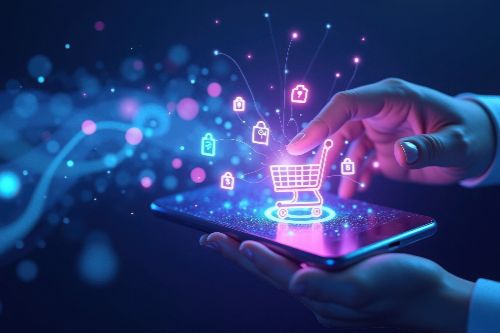

Elizabeth Streeter takes a look at the psychology of retail media advertising and finds that it relies on immediacy, FOMO and consistency across on and offsite, as well as instore.
Retail media’s ability to influence shoppers at the critical moment of purchase has a profoundly psychological impact and is starting to transform shopper behaviours. Understanding the psychology behind how retail media advertising impacts consumers is a key part of understanding how best to deploy it, which channels – onsite, offsite and/or instore – to use and what creative to develop.
The success of retail marketing differs from traditional advertising methods that rely upon channels such as broadcast TV, radio, print and out of home advertising such as billboards. These target a broad audience based on things like location or, to some degree, interests. These ads aimed to build brand awareness and its success levels were then measured through things such as customer surveys – which is not a precise way to measure sales.
There is also the issue that they rely on third party data, which is inferior to retailer first party data used in retail media which focuses on pushing sales at the point of purchase. This can be done through sponsored product ads or appearance on the website/app or instore advertisements. Allowing for a precise measurement of campaign performance through targeting customers with personalised ads based on purchase history or browsing behaviours.
Onsite: scarcity and FOMO
Onsite advertising is typically in the format of display ads or banners, video ads and sponsored product listing. The psychology these typically use to influence consumer purchases rely on , utilising the effects of minority influence methods through combining scarcity, a call to action and consistency. If the advertisement portrays synchronic consistency,(where everyone in the persuading group is saying the same thing, in this instance that all ads want you to buy the same thing or from the same place) they are more likely to have a successful purchase because they are all saying ‘yes buy this specific product’, implying a reduced variety of advertisements available to the consumer in one space will have a higher purchase level.
The combination of scarcity and call to action is perfect for online platforms through having the messages directly in front of the consumer, with popular things such as ‘selling out fast’ and ‘only 2 left, buy now’. This creates a sense of urgency that encourages immediate sales through harnessing the fear of missing out (FOMO) . Businesses should implement FOMO as it creates user anxiety over missed opportunities. This can be done through using punchlines across ads and their websites such as ‘limited time’ or ‘limited stock’ to increase purchases.
Amazon does this beautifully, with offers and urgent messages regarding a specific piece of stock as soon as possible in the shopping process, as well as reminding shoppers of this at checkout and via email – all powered by its enormous Amazon Ads retail media network arm.
eBay, too, has a large base of both active buyers and sellers that allows advertisers to specifically target customers based on product categories and demographics – and this makes it a popular choice for external advertisers when attempting to reach a diverse audience. This ability to leverage their large customer base and first party data when offering targeted placements has successfully driven sales higher. Here, reach means that normal advertising and FOMO-based marketing tactics are very powerful. Everyone knows how many customers eBay has, so ‘Hurry, only five left in stock’ carries huge resonance.
Another example of onsite advertising that massively increases brand visibility is Uber Eats, which uses its app based on nearby and popular restaurants as well as using customer data to base suggestions on frequency of purchases. It also uses offsite methods, such as purchasing ad space on social media that attracts a newer audience back to its site, as well as providing valuable insights for advertisers both internally and externally.
It has been so successful due to its ability, through its ad arm Uber Ads, to combine a large and engaged user base with its diverse product offerings accompanied by targeted advertising options. This process allows brands to reach potential customers more often through data introducing them to newer things, consequently improving sales both online and offline.
The psychological key here is to hit the user, based on their previous habits, with the right offering at the right moment. For Uber Eats, that means finding the right suggestion when a particular user is likely to hungry, thirsty or looking for social food and drink. This can be done using behavioural data, as well as looking at mounting campaigns around specific social occasions such as sports and concerts or prime-time, mass audience TV moments. It can also leverage the weather forecast to generate ads for say, ice cream in a heatwave or hot drinks in a cold snap.
Offsite: next level advertising?
Offsite advertising, where retailer first-party data is used to target consumers on third-party website usually social media, is a more efficient and targeted approach than traditional online methods, although it is not as controllable as onsite or indeed instore as we shall see.
Offsite is typically done through buying and selling digital ad space, allowing data to be processed through targeting their audience on alternative platforms such as social media.
From a psychological point of view, this can be made effective when combining emotional appeal with location or subtle cues, for example placing a coffee advertisement with a happy customer next to a café. The use of location can be applied to physical placement within the website – such as last-minute offers before check out – or can be geographical placement, such as being in close proximity to the intended destination.
The use of emotional appeal can be used to create a sense of nostalgia or once again FOMO to encourage shoppers to visit their own site. This use of data across other websites can help direct their target audience to their own online/in-store platform, increasing overall sales. This is an effective way of expanding the amount of loyal customers and improving total product sales through catchy advertising externally.
An example of a well-executed offsite marketing can again be found with Amazon UK, which is able to leverage its online presence and first-party customer data to offer targeted advertising opportunities to other brands inside their own platform. Brands with access to Amazon’s first-party shopper data are able to dominate a significant portion of retail media ad spending. With Amazon typically operating using various advertising options – such as display ads or sponsored products, for example – it allows brands to reach their target audiences through Amazon and alternatively its offsite partners.
This has been particularly successful due to the influx of customer interaction with these ads, overall resulting in a successful campaign with high sale rates.
Amazon also has a reciprocal relationship with social media to direct target audiences back to its own site to increase sales. Platforms such as Facebook and Instagram enable Amazon and brands promoted by Amazon to deliver targeted ads whilst browsing on other platforms. This helps to promote Amazon purchases through these ads, allowing for shoppers to see items that they are interested in based off of things such as individual browsing history to seamlessly and perhaps subconsciously direct them towards the original site in order to complete a purchase.
Instore: physical-digital overlap
Instore retail media is the up-and-coming element of retail media, as it involves targeting a wide range of consumers via instore digital displays or printed posters and seeks to apply the online data and targeting tropes seen in on and offsite to the real world.
Psychologically. this method is able to harness social influence, as shoppers may be subconsciously influenced by what those surrounding them are buying. It also has the advantage of product placement, through putting these ads at eye level and in bright colours to attract the eye of shoppers passing by – or better still just as they are about to put the item in their very real basket, which usually then means it is purchase.
Being physical, it can also use colour psychology alongside creating a sense of urgency through putting promotional offers or sales in red lettering to further the sense of urgency within the store environment.
However, out of all three options instore has proven the least effective. Onsite retail media is shown as having a 90% higher profit margin than anything offsite or instore offers, states Mediarithmics . Instore doesn’t have access to individual data making it near impossible to produce personalised ads for each individual – this is why onsite marketing is proving to be more effective in increasing customer sales. Onsite marketing is able to produce targeted ads and promotional content through loyalty programmes that document that individual shoppers data and browsing history, making it more likely that offers and ads will succeed in increasing sales.
This personalisation online is beneficial for the retailer purely because most consumers will be unaware of how these deals are influencing their decisions on the on-site websites. This is significantly more effective than traditional methods such as billboards as shoppers are more inclined to notice something that they perceive as benefiting them directly, such as money off of supplies they buy weekly – which is known by the retailer due to the use of data analysis.
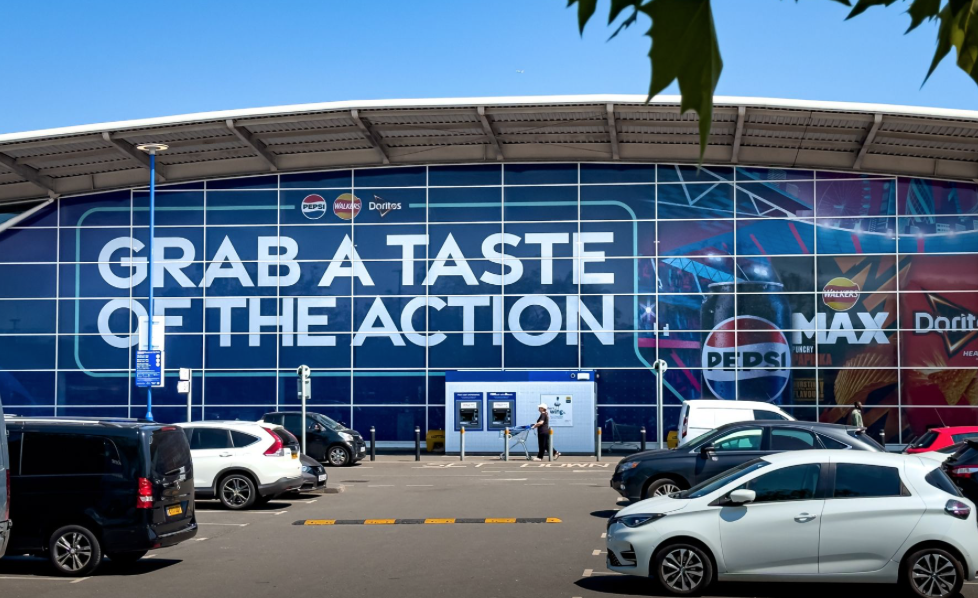
But with the right approach – a blanket one in every sense of the word – instore can still be very influential. Perhaps the most well-known is Tesco wrapping the entire storefront of its Wembley Store in North London in a PepsiCo advert during UEFA Champions League in June 2024, ahead of a crunch match between Real Madrid and Borussia Dortmund.
The tagline “grab a taste of the action” played on the hearts of the fans coming to watch the football at the nearby stadium, but who were unable to participate, resulting in them feeling somewhat included in the experience.
This was a distinctly effective usage of retail media as encouraged other brands to advertise within (or on!) their store, resulting in an overall higher sale rate of stock. This immersive experience coupled with instore promotions created a more memorable experience for shoppers, helping to associate the shop with nostalgia as well as highlighting their key brand deals. Overall, it resulted in higher customer engagement and subsequently higher sales.
How can brands harness this to their advantage?
So, how can brands harness the psychological overlays from retail media to improve how they use retail media networks across on and offsite and instore? The key is to use all these channels to reach the target audience and find new shoppers and direct them to buy.
Sounds simple, but in an era where all consumers want to be treated as individuals that are special to the brand, this is a real challenge – a challenge that requires a psychological approach to ad creation and channel choice.
The priority is to hook the consumers attention – ideally through a combination of scarcity and consistency – then being consistent with the message that is delivered across all channels. For example, onsite brands may be able to push sales internally through increasing sales as customers may fear missing out on the deal being presented to them. If this is coupled with off-site ads, more shoppers will be directed to their site on a regular basis, increasing the range of consumers who will then be subjected to the onsite ads. This combination will increase the amount of shoppers, as well as increasing sales for the brand.
This psychological approach can be more successful because it uses a deeper understanding of the customers and what fuels their decisions, allowing campaigns to resonate deeper with their target audience. It often uses emotional motivators such as the previously mentioned nostalgia, which increasingly connects with consumers on a deeper level and often over a prolonged period of time, leading to increased engagement and sales. Retail media harnesses first party data to create more personalised and targeted ads which also increases consumer engagement, making it easier for brands to increase sales: but understanding the psychology of how that works for brands, their creative teams and the retail media networks themselves is increasingly important as consumer become more price conscious and fickle and the retail media landscape itself becomes ever-more competitive.
Author
Elizabeth Streeter is a freelance writer and psychology student