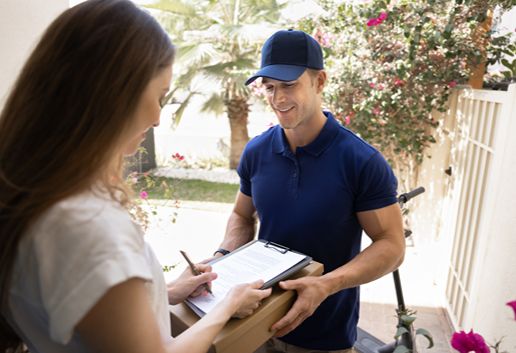
43% of UK customers take time off work or rearrange their day to wait for a parcel delivery, amounting to approximately 32 hours of lost time annually or four full working days – and 22% of those orders arrive late or not at all.
For retailers, this equates not only to lost productivity, but to damaged customer satisfaction, lost loyalty – and lost revenue. 62% of consumers stated that they would stop shopping with a retailer after a poor delivery experience, rising to 64% after a poor returns experience.
The reality of ‘parcel purgatory’
The research from global post-purchase and returns network ZigZag points to a country grappling with ‘parcel purgatory’ as customers are forced to deal with uncertain delivery windows, late parcels, and poor communication. One in 10 UK shoppers were unable to work while waiting for a delivery in the last month, wasting an estimated £214.5m worth of working hours.
Post-purchase communication was found to be a significant problem, falling short of expectations for one in five online orders (21%), representing an estimated £23.5 billion worth of purchases.
As Al Gerrie, CEO at ZigZag, points out, retailers cannot afford to gamble with customer loyalty:“Ecommerce has reached an inflection point, where growth has slowed and attracting new customers is more costly than maintaining a loyal customer base,” he said. “ Waiting in for a delivery is up there with the most frustrating disruptions to daily life. Late deliveries also lead to higher return rates, which drive up costs for businesses and breed frustrations that retailers can’t afford.
He added: “With shoppers cautious about spending, making a positive impression once an item has been bought is the difference between losing a customer at the final hurdle, and building the loyalty needed for growth.”
The influence of demographics on expectations
Expectations are especially high when things go wrong: 95% percent of consumers expect delivery or returns issues to be flagged within 24 hours, while 42% prefer instant refunds. Demographics also play a role: Millennials broadly value convenience (70%) above all factors and make the largest proportion of online orders (23%); Baby Boomers prioritise predictability, transparency and reassurance; and Gen Z is less tolerant to communications that aren’t immediately relevant.
Commenting on this, Gerrie said:“It has never been more important to know how your customer base behaves as a retailer. This doesn’t come down to guesswork, our report has found identifiable patterns among types of consumer. Millennials and Gen Z shoppers have starkly different requirements for how they prefer to be contacted, but many retailers will have both groups in their customer base.
He continued: “Understanding what they’re buying in that moment adds another competitive advantage. High rates of next-day deliveries prove the item is urgent, and require more proactive tracking updates whereas more routine purchases require convenient and easy ways of getting in touch with fewer updates. And understanding these nuances is vital to lifting loyalty and growing revenue.”
In a market where winning new customers is increasingly expensive, ZigZag’s research demonstrates that the sale doesn’t end at checkout. Retailers that get delivery, returns and communication right will turn convenience into loyalty – while those that don’t risk leaving customers stranded in parcel purgatory.
Stay informed
Our editor carefully curates two newsletters a week filled with up-to-date news, analysis and research, click here to subscribe to the FREE newsletter sent straight to your inbox and why not follow us on LinkedIn to receive the latest updates on our research and analysis.