Retailers are increasingly warning that rising costs driven by the conflict in the Middle East will ultimately be passed on to consumers, as higher energy prices and disrupted shipping routes begin to feed through supply chains.
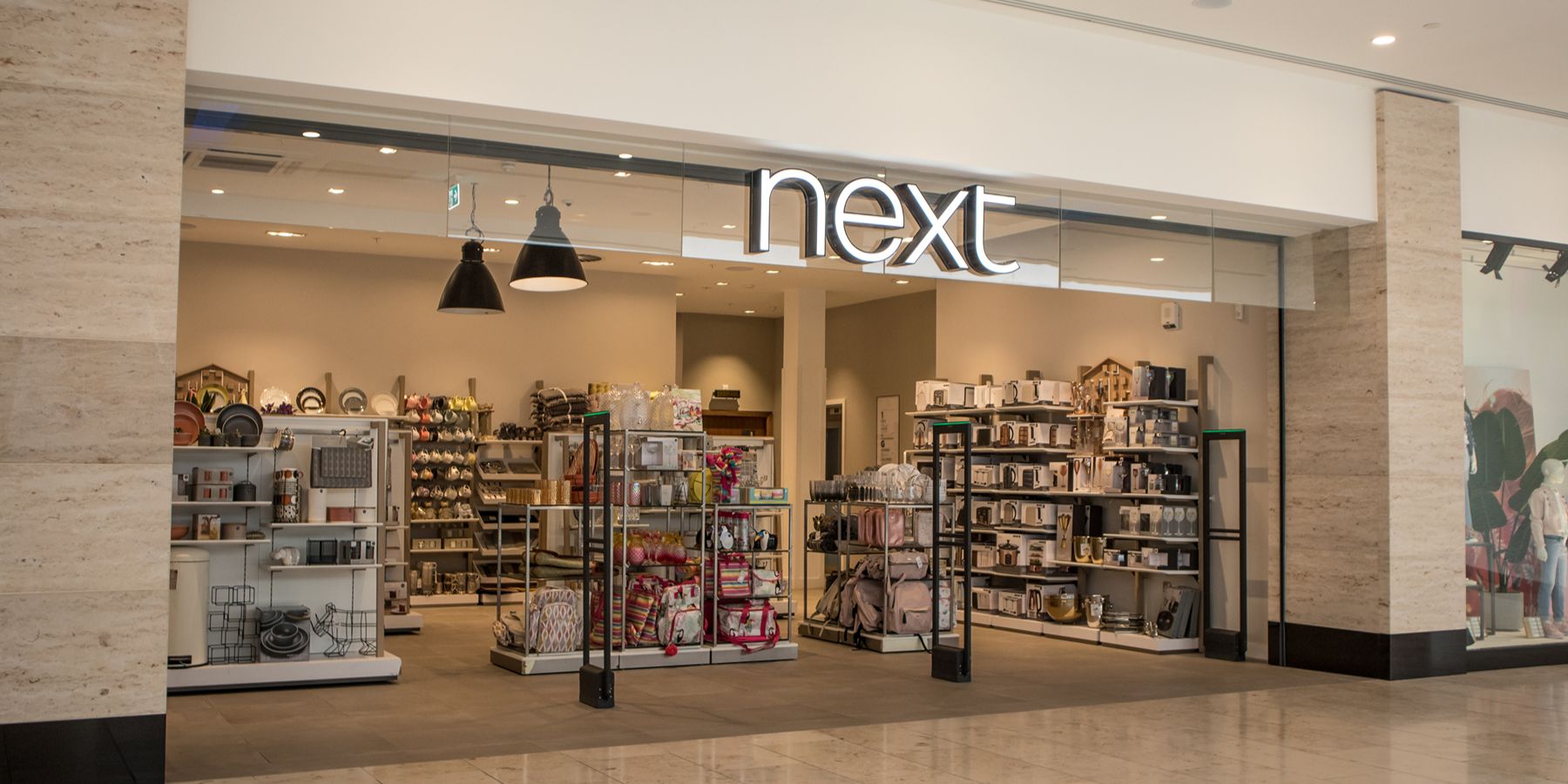
Next has been among the most explicit, signalling that it will raise prices if disruption persists. Despite posting a 6.2% increase in sales year-on-year in its most recent trading statement – a significant increase on the expected 4.0% – the retailer expects to raise costs for international customers to offset the £47 million it has lost to the Iran war in higher energy prices and global supply chain disruption.
It will also look to offset costs through operational savings, hoping to minimise the impact on UK and European consumers. With this information announced in its latest trading statement, Next has become one of the first UK retailers to clearly set out how the pressures of the Middle East conflict will be handled.
Broader industry trend
Other retailers are also sounding alarms. H&M has warned that “current geopolitical instability in the Middle East could, if extended, result in slightly additional cost pressure”, while its chief executive has said continued conflict and elevated energy prices risk adding further inflationary pressure on already stretched consumers.
The warnings reflect a broader industry trend. Retailers across Europe have cautioned that prolonged disruption could lead to a “price shock”, as escalating fuel costs and delays to global shipping — particularly across key routes such as the Red Sea and Suez Canal — increase the overall cost of moving goods.
For many businesses, the challenge is not just higher transport costs but the unpredictability of supply chains. Shipping delays, longer route times and higher insurance premiums are all contributing to rising operating costs, which are difficult to absorb indefinitely. Analysts widely expect these pressures to filter through into higher retail prices over time as companies look to protect margins.
The impact is likely to be most acute for discretionary retailers, particularly in fashion, where margins are already tight and demand is more sensitive to price changes. Industry analysis suggests that these retailers are more exposed to the conflict, as it adds uncertainty to an already fragile consumer environment, where ongoing cost-of-living issues and a contracting labour market are increasing pressure on household finances.
The direction of travel is clear
For now, many retailers are attempting to absorb costs or offset them through efficiencies. But with disruption showing little sign of easing, the direction of travel is clear. Next’s decision to move first offers a preview of a wider shift, as more retailers prepare to pass rising costs on to consumers in the months ahead.
Stay informed
Our editor carefully curates two newsletters a week filled with up-to-date news, analysis and research. Click here to subscribe to the FREE newsletter sent straight to your inbox. Why not follow us on LinkedIn to receive the latest updates on our research and analysis?