
A new wave of regulation is being introduced this week that restricts how retailers – both digital and physical – are allowed to promote food and drink products high in fat, salt or sugar (HFSS). From 1 October, the HFSS clampdown will see a ban on volume-based promotions such as “Buy One Get One Free”, and multibuy deals on HFSS products in stores and online. Loyalty point incentives and free product giveaways are also prohibited, although meal deals and pre-packaged multipacks remain exempt.
The new restrictions are part of the government’s strategy for tackling the ongoing obesity epidemic in the UK. 64.0% of adults in England were overweight or living with obesity in 2022–2023, according to the UK Government’s Obesity Profile.
What counts as HFSS?
Products are classified using the government’s Nutrient Profiling Model. Examples of HFSS foods include:
- Soft drinks with added sugar
- Crisps and savoury snacks
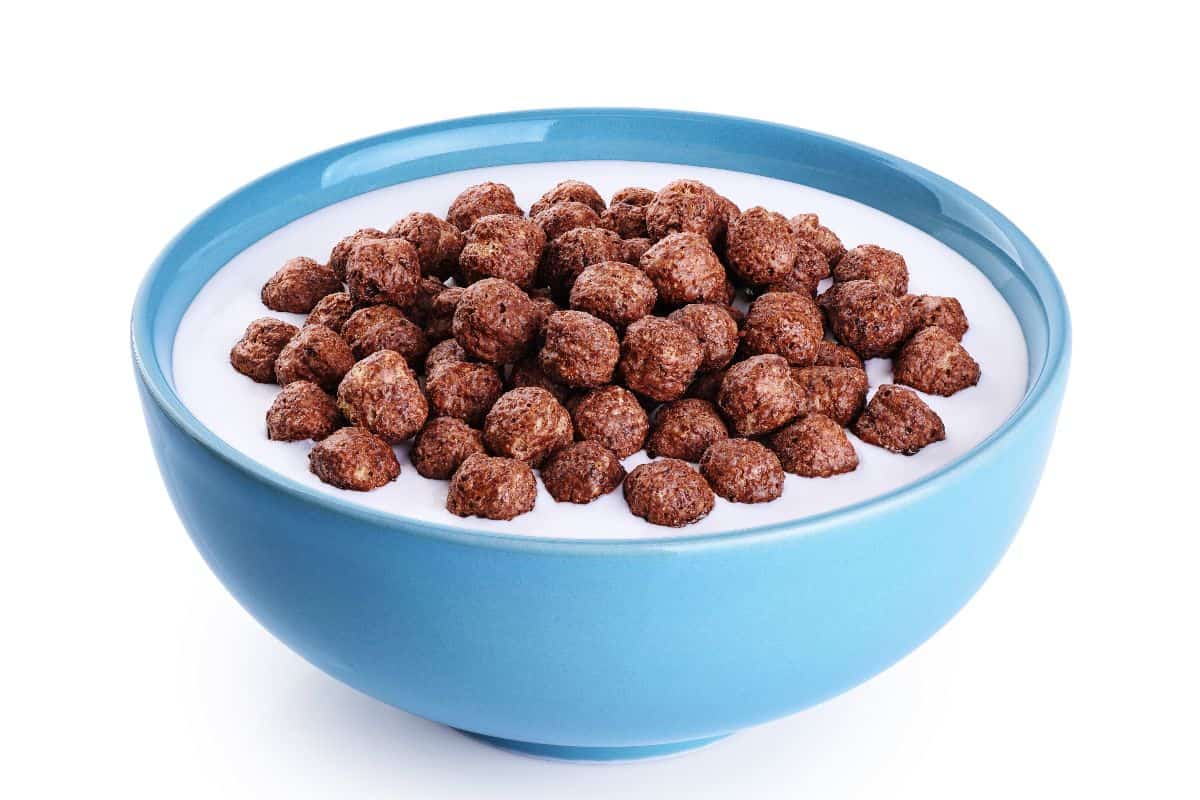
- Granola and sweetened breakfast cereals
- Chocolate bars and sponge cakes
- Cereal bars and sweet popcorn
Non-HFSS foods include:
- Fruit-based snacks
- Sugar-free sweets
- Nuts and seeds
- Drinks without added sugar
- Non-prepackaged foods like loose bakery items
While the new rules bring operational challenges, they also offer greater clarity for retailers navigating the complex landscape of food marketing regulation. Mark Dewar, partner at international law Charles Russell Speechlys, said: “The decision to extend HFSS restrictions to cover multi-buy promotions will not be without cost, but it is at least being done in a transparent way with a clearer test as to when brand advertising is excluded.
“The direction of travel is clear: greater scrutiny on how products high in fat, salt or sugar are marketed and sold, and more robust reporting requirements for manufacturers. While the changes will undoubtedly bring challenges for retailers and producers, they should also create a more level playing field across the industry.
“The key now will be for businesses to plan ahead, adapt their promotional strategies, and prepare for further reporting obligations.”
What this means for internet retailers
For internet retailers, the impact is equally significant. HFSS products must be removed from high-visibility areas of websites and apps – including homepages, category landing pages, and checkout flows. Promotional banners, pop-ups, and loyalty incentives tied to HFSS items are also off-limits.
The advertising component of the HFSS clampdown – originally due to launch this month – has been delayed until January 2026. It will introduce a 9pm watershed for HFSS ads on TV and a ban on paid-for HFSS advertising online, including influencer marketing. Brand-only advertising that doesn’t feature specific products will remain permitted.
Jamie Cartwright, partner at Charles Russell Speechlys, added: “This latest extension of HFSS restrictions has been a long time coming, with roots in proposals dating back to the May government. For FMCG brands, the challenge will be finding creative and compliant ways to get their products in front of consumers. This sits within a broader regulatory environment that is already moving towards restrictions on TV advertising and even the role of influencers in marketing.
“It is important to stress that these rules are not a complete solution: they address the pre-packed food environment, but not out-of-home consumption. As such, this is another step in the journey rather than the end point.”
A 2023 study into the impact of HFSS marketing on obesity, published in BMC Public Health, broadly supports the decision to tighten restrictions, noting: “HFSS marketing restrictions have a role to play and send a strong signal – provided they are implemented comprehensively – investment in these policies needs to be part of wider efforts to tackle the underlying drivers of obesity.”
For retailers and brands, the HFSS journey is far from over – and the digital shelf is now firmly in regulators’ sights.
Stay informed
Our editor carefully curates two newsletters a week filled with up-to-date news, analysis and research. Click here to subscribe to the FREE newsletter sent straight to your inbox. Why not follow us on LinkedIn to receive the latest updates on our research and analysis?