
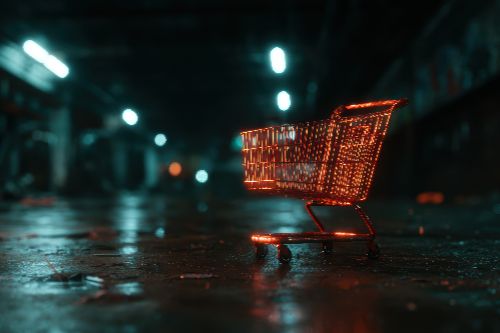
For online retailers, there are few things more frustrating than an abandoned shopping cart – but despite improvements in technology making mobiles faster and more efficient than ever before, the number of customers abandoning their shopping baskets is increasing. Last year, the global average was around 75% – but multiple sources now suggest that mobile shopping basket abandonment has climbed to more than 85%.
Research shows that the main reasons for cart abandonment are unexpected costs at checkout, slow delivery, and concerns about payment security. As abandonment rates increase and traditional channels like email and SMS become less effective and more costly, retailers are being forced to rethink their customer re-engagement strategies.
Native push notifications present a potential solution
New analysis from ecommerce app platform MobiLoud suggests that native push notifications are emerging as a high‑impact, zero‑marginal‑cost alternative, delivering recovery messages directly to shoppers’ lock screens and reaching a brand’s most loyal, highest‑LTV customers instantly.
According to the report, automated push notifications such as abandoned basket reminders represent just 3% of all push sends, yet generate 21% of push‑attributed orders. Meanwhile, retailers running a multi-channel recovery sequence that triggers native push first, followed by email and SMS, recover 20–30% of abandoned baskets – roughly double the results achieved by email alone.
Discounting can cause margin cannibalisation
If native push notifications are undervalued as part of the basket recovery sequence, MobiLoud’s data suggests that discounts are overused. Their research identifies a “no‑discount window” of five to 15 minutes after a shopper abandons their basket, which accounts for more than 60% of recovered revenue without incentives.
Pietro Saccomani, founder and CEO of MobiLoud, warned that brands risk undermining their own margins by leading with discounts too early. “If you lead with a 10% discount in your first recovery message, you are training your customers to abandon their baskets on purpose,” he said. “The brands winning right now catch the customer within the first 15 minutes when purchase intent is still warm. They send a simple reminder, no discount attached, and let the product do the work.”
MobiLoud outlines a data-backed, three-step recovery sequence used by top-performing retailers:
- 5–15 minutes: Personalised reminder with no discount.
- 3–6 hours: A soft, non‑discount incentive such as free delivery or bonus loyalty points.
- 24 hours: A final urgency prompt, potentially including a discount.
As Saccomani notes, nearly every retailer runs abandoned basket emails, but inbox competition is fierce and SMS costs continue to rise. “Email lands in a crowded inbox and SMS is expensive to scale,” he stated. “Native push fills that gap.”
Stay informed
Our editor carefully curates two newsletters a week filled with up-to-date news, analysis and research. Click here to subscribe to the FREE newsletter sent straight to your inbox. Why not follow us on LinkedIn to receive the latest updates on our research and analysis?