95% of annual subscribers who cancel are gone for good, according to new data from RevenueCat.
According to Part 2 of RevenueCat’s 2026 State of Subscriptions report, just 5% of annual app subscribers who cancel return. The data was derived from 115,000+ apps and $16B+ in app revenue, offering strong insight into how and where lifecycle spend should be prioritised. While the findings are based on apps, they are highly relevant to retailers and brands operating subscription models or loyalty ecosystems.
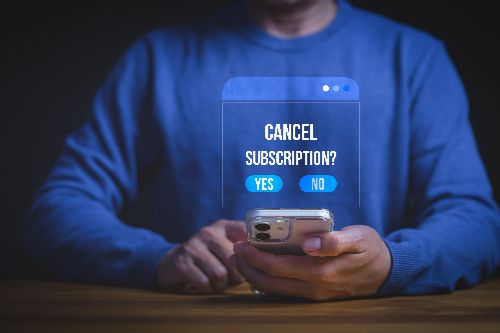
The findings point to a clear shift in subscription models that shows users need to be incentivised to stay rather than ‘trapped’ – aligning with the upcoming EU and UK legislation which is set to outlaw subscriptions traps and make it as easy to leave a subscription as to sign up for one.
RevenueCat’s report found that while the strongest apps aren’t winning back subscribers after they leave, they are catching them at the moment of doubt, with “pause instead of cancel” options that soften the finality of the decision.
The report also highlights that while annual subscribers may be the most valuable to retailers and brands, they are the hardest to recover. That long 12-month stretch allows intent and interest to erode, with only 24–27% of subscribers remaining after the first year, and most who leave not coming back.
In contrast, while monthly subscribers typically have lower retention, they are more likely to return. 20% of churned monthly subscribers reactivate within a year, reinforcing the importance of flexibility – a trend that continues to shape the subscription landscape.
With commitment to annual plans also declining – first-year annual retention fell from 31% to 28% year-over-year – the takeaway is clear: retailers and brands should prioritise reducing cancellation friction at the point of decision, invest in flexible options such as pausing, and consistently deliver fresh value to give users a compelling reason to stay rather than cancel.
Subscribe!
Our editor carefully curates two InternetRetailing newsletters a week filled with up-to-date news, analysis and research. In addition to this, there is a dedicated mailer focusing on the subscription economy every second Wednesday – click here to subscribe to the FREE newsletter.