
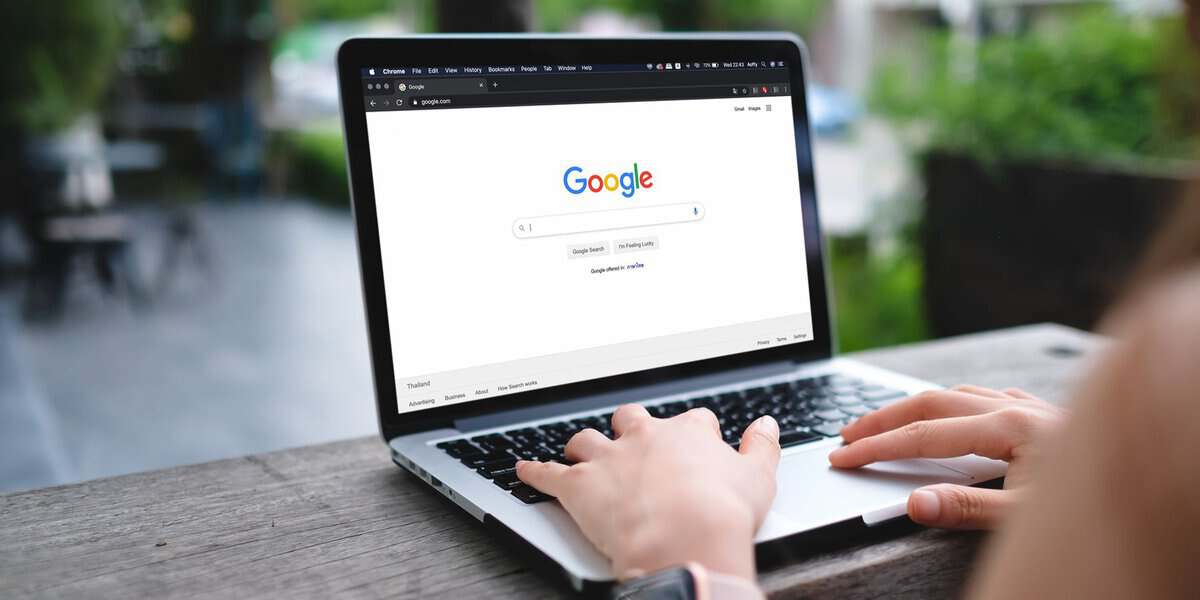
Retailers need to rethink product visibility as AI search becomes embedded in the customer journey, suggests a new report by Akeneo. The report found that more than two-thirds of Google searches now end without a click to an external website, rising to around 80% when AI-generated summaries are shown.
This means customers are receiving product recommendations directly from AI assistants rather than being directed to retailer websites – which also points to a need to rethink how digital shopfronts operate.
Akeneo’s report, The Invisible Shelf, explores how generative AI is fundamentally changing the way consumers discover products. Rather than directing consumers to websites, generative AI increasingly recommends individual products that best address a specific need – shortening the customer journey and removing control from retailers as the discovery that once took place in the digital storefront now happens outside it.
The end of SEO?
The report also makes it clear that visibility in the agentic commerce landscape is not linked to search engine ranking. 47% of AI Overview citations now come from pages ranking below position five in traditional search results, according to Akeneo’s research.
Incomplete or inaccurate product information also affects visibility – in fact, it can result in products being removed from AI-generated recommendations altogether. The report highlights that structured product information is essential for visibility in a system where AI agents autonomously compare, select and purchase products on consumers’ behalf.
“The next battle for visibility won’t be fought on search engine results pages,” said Justin Thomas, VP Sales EMEA North at Akeneo. “Increasingly, products will be recommended directly by AI systems. If AI cannot understand, verify and trust your product information, your products risk becoming invisible during one of the fastest-growing stages of the buying journey.”
The need for rich product data
The concept of the Invisible Shelf – the title of the report – refers to the products that are rendered invisible to consumers using AI agents because their product data is not sufficiently machine-readable. The report argues that retailers should treat AI discoverability, not as another marketing exercise, but as a product data challenge. Rich, structured and governed product information enables AI systems to accurately interpret products, understand customer intent and confidently recommend the right items for specific use cases.
Recent research by Salesforce found that agentic search has increased by more than 200%. With a growing number of consumers beginning product discovery in AI-powered conversations, the race is on for retailers to ensure their products are optimised for the agentic commerce landscape. Akeneo’s report highlights that richer, cleaner product data and a shift from SEO to AI visibility are front and centre in achieving this.
Stay informed
Our editor carefully curates two newsletters a week filled with up-to-date news, analysis and research. Click here to subscribe to the FREE newsletter sent straight to your inbox. Why not follow us on LinkedIn to receive the latest updates on our research and analysis?