
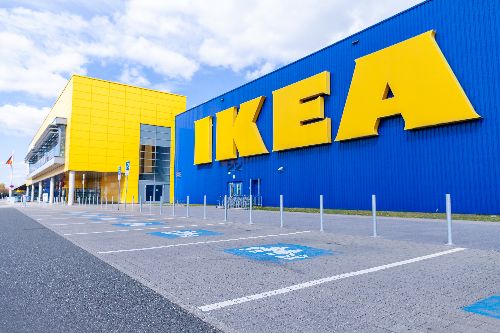
IKEA’s parent group, Ingka Group, confirmed last week that it plans to cut 800 roles as it streamlines its organisational structure, part of an overarching plan to reduce costs and speed up decision‑making. The cuts are expected to fall within corporate and support functions, reflecting what the Nordic retailer admits has become an overly complex organisation.
“We have grown too complex in a retail environment that requires speed and agility,” said Juvencio Maeztu, CEO of Ingka Group | IKEA. “This step will create the right pre‑conditions to grow and lower prices while staying true to our vision of creating a better and more affordable and sustainable everyday life for the many people.”
Internal restructuring
The restructuring follows a significant overhaul of the senior leadership team in December 2025, just two months after Maeztu stepped into the CEO role. All promoted from within, the new team includes deputy CEO and CFO Cindy Andersen, commercial manager Javier Quinones, and business development and transformation manager Emily Birkin — signalling a strategic shift toward sharper operational focus and faster execution.
IKEA’s decision comes against a backdrop of weakening demand across Europe. For FY25, retail sales declined 1.6% to €39 billion, down from €39.6 billion the previous year, even as unit sales rose by 1.6% and online traffic increased 4.6%. The company attributes the drop to deliberate price reductions, designed to preserve affordability during a prolonged cost‑of‑living crisis. Revenues fell 0.9%, but profitability surged: operating profit rose to €1.46 bn and net profit reached €1.41 bn, underscoring IKEA’s ability to manage costs and protect margins even in a challenging market.
Operational discipline
The tightening at the centre reflects the company’s strong operational discipline, even as it continues to expand aggressively. IKEA opened 54 new locations in FY25 — including flagship stores and a new wave of smaller urban formats, designed to target consumers focused on speed and convenience — and plans to open up to 20 more stores by September, bringing around 500 new jobs. This dual approach of cost discipline alongside physical expansion reflects IKEA’s long‑term strategy: staying close to shoppers geographically while keeping prices low through internal simplification.
From an ecommerce perspective, IKEA is doubling down on efficiency rather than headcount. Stores like Soroksar in Budapest have been upgraded with double the capacity for online fulfilment, while digital tools for pickup, demand sensing and stock flow continue to be rolled out across markets. The result is a leaner digital organisation backed by stronger logistics and store‑based fulfilment.
While the market remains challenging, IKEA is not shrinking but rebalancing, trading central complexity for frontline capability as it positions itself for the next decade of omnichannel retail.
Stay informed
Our editor carefully curates two newsletters a week filled with up-to-date news, analysis and research. Click here to subscribe to the FREE newsletter sent straight to your inbox. Why not follow us on LinkedIn to receive the latest updates on our research and analysis?