Gordon Glenister, CEO Membership World, explores the evolution of membership from simple loyalty schemes and discount mechanisms to something much deeper and more future-proofing for retail.
In an era where customer acquisition costs continue to rise, advertising platforms become increasingly unpredictable, and consumer loyalty appears more fragile than ever, retailers are searching for sustainable ways to build long-term relationships with customers. Increasingly, the answer lies in membership.
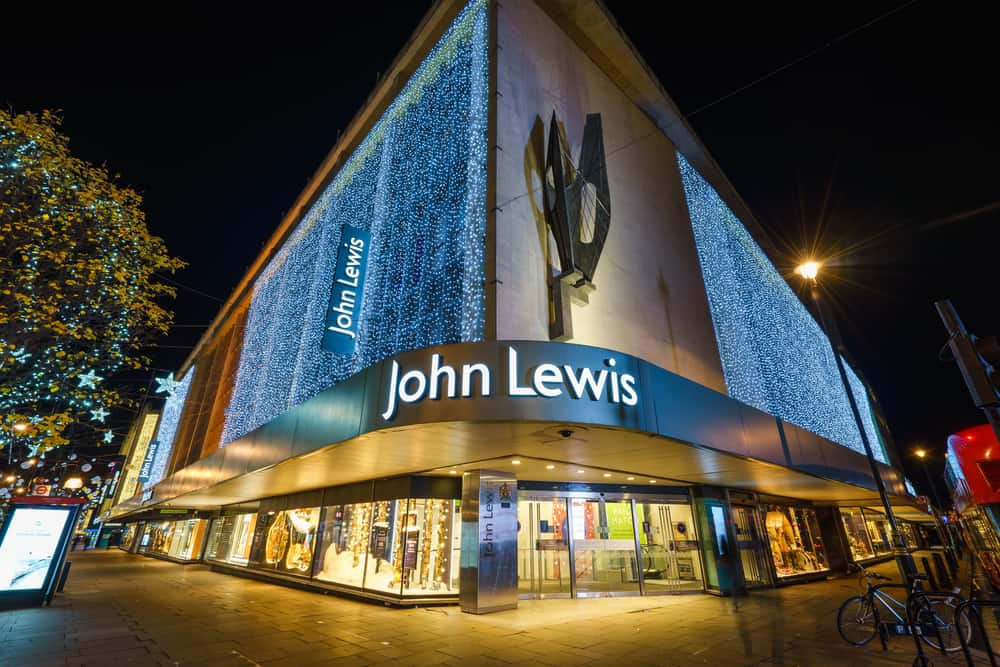
Once associated primarily with professional bodies, clubs and associations, membership has evolved into one of the most powerful business models in retail. From Amazon Prime and Tesco Clubcard to Nike Membership and My John Lewis, retailers are discovering that membership is not simply a loyalty scheme—it is a strategic framework that drives engagement, retention, data insight and recurring revenue.
The most successful retailers no longer view customers as occasional purchasers. Instead, they seek to create communities of members who engage regularly, receive ongoing value and develop a stronger emotional connection with the brand.
The shift from transactions to relationships
Traditional retail has often focused on a simple equation: attract customers, make a sale, and encourage repeat purchases. However, modern consumers expect much more. They want convenience, personalisation, recognition and access to exclusive experiences.
Membership addresses these needs by creating an ongoing value exchange. Customers receive benefits that extend beyond individual transactions, while retailers gain richer customer data, improved retention rates and greater lifetime value.
Research consistently shows that retaining existing customers is significantly more cost-effective than acquiring new ones. Membership programmes provide retailers with a mechanism to keep customers engaged between purchases, ensuring that the brand remains relevant throughout the customer journey.
This relationship-driven approach is particularly valuable in today’s competitive environment, where consumers can compare prices and switch brands within seconds.
Amazon Prime: the membership benchmark
No discussion about retail membership would be complete without Amazon Prime. What began as a free delivery proposition has developed into one of the world’s most successful membership ecosystems. Prime members receive benefits including next-day delivery, video streaming, music, gaming content and exclusive promotions.
The genius of Prime lies not in any single benefit but in the cumulative value proposition. Members often feel they receive significantly more value than the annual subscription fee. The commercial results are impressive. Prime members typically spend considerably more than non-members and shop more frequently. By creating multiple touchpoints throughout the year, Amazon has transformed shopping behaviour from occasional purchasing into habitual engagement.
For retailers, the lesson is clear: successful membership programmes create value beyond discounts alone.
Tesco Clubcard: turning data into value
Tesco’s Clubcard remains one of the most influential membership programmes in UK retail. Launched in the 1990s, Clubcard demonstrated the power of using customer data to personalise offers and improve customer experience. More recently, Clubcard Prices have further strengthened member participation by offering exclusive savings to members.
Rather than relying solely on blanket discounts, Tesco uses its membership programme to better understand customer preferences and shopping habits. This allows the retailer to deliver more relevant offers while encouraging repeat visits.
The programme illustrates a critical principle of successful membership: customers are willing to share data when they receive meaningful value in return.
Nike membership: building a community
Nike offers a different perspective on membership. Rather than focusing primarily on financial rewards, Nike Membership centres on access, exclusivity and community. Members gain access to product launches, personalised content, training programmes, fitness apps and exclusive experiences. The result is a deeper emotional connection between the customer and the brand.
Nike understands that modern consumers increasingly want to belong to something, not simply buy from it. By creating a sense of participation and identity, the company has strengthened customer loyalty whilst generating valuable behavioural insights.
This approach demonstrates how membership can become a powerful brand-building tool rather than simply a sales mechanism.
The rise of paid membership
Perhaps the most significant trend in recent years has been the growth of paid membership models.
Retailers once feared charging customers for membership. Today, many are discovering that consumers are willing to pay for genuine value. Examples include:
– Amazon Prime
– ASOS Premier Delivery
– Costco
– Co-op Membership
– Boots Advantage Card Plus
– Walmart+
Paid membership changes the relationship fundamentally. When customers invest financially, they become more likely to engage regularly in order to maximise the return on their membership fee.
For retailers, this creates opportunities for recurring revenue whilst strengthening customer retention. However, success depends on delivering benefits that clearly exceed the membership cost.
Membership beyond discounts
Many retailers still view membership primarily as a discount mechanism. This can be a costly mistake.
The strongest programmes increasingly combine several elements:
– Exclusive offers and pricing
– Priority access to products
– Free delivery or fulfilment benefits
– Educational content
– Community engagement
– Events and experiences
– Personalised recommendations
– Recognition and status
This multi-layered approach creates a richer customer experience and reduces reliance on price-based competition. Retailers that focus exclusively on discounts risk eroding margins without building genuine
loyalty.
What retailers can learn from associations
Interestingly, some of the best lessons in membership come from outside retail. Professional associations, trade bodies and member organisations have spent decades refining techniques for engagement, retention and community building. Their success often stems from understanding that people remain members because of ongoing value, networking opportunities, professional development and a sense of belonging. Retailers can apply many of these principles.
The future of retail membership is likely to involve greater emphasis on community, shared experiences, exclusive content and meaningful customer participation. Consumers increasingly want relationships with brands that align with their interests and values.
The future of retail membership
As retailers continue to navigate economic uncertainty, rising acquisition costs and changing consumer expectations, membership offers a compelling solution.
The model creates predictable revenue streams, improves customer retention, delivers richer data and strengthens brand loyalty. Most importantly, it shifts the focus from short-term transactions to long-term relationships.
The retailers that thrive over the next decade are unlikely to be those that simply sell products most efficiently. They will be those that build the strongest member communities around their brands.
In a crowded retail landscape, membership is no longer just a loyalty strategy. It is rapidly becoming the essential customer model.
Stay informed
Our editor carefully curates two newsletters a week filled with up-to-date news, analysis and research, click here to subscribe to the FREE newsletter sent straight to your inbox and why not follow us on LinkedIn to receive the latest updates on our research and analysis.