No sooner had Sky’s proposed acquisition of ITV redrawn the map of British television than the BBC and Channel 4 began discussing how they might respond.
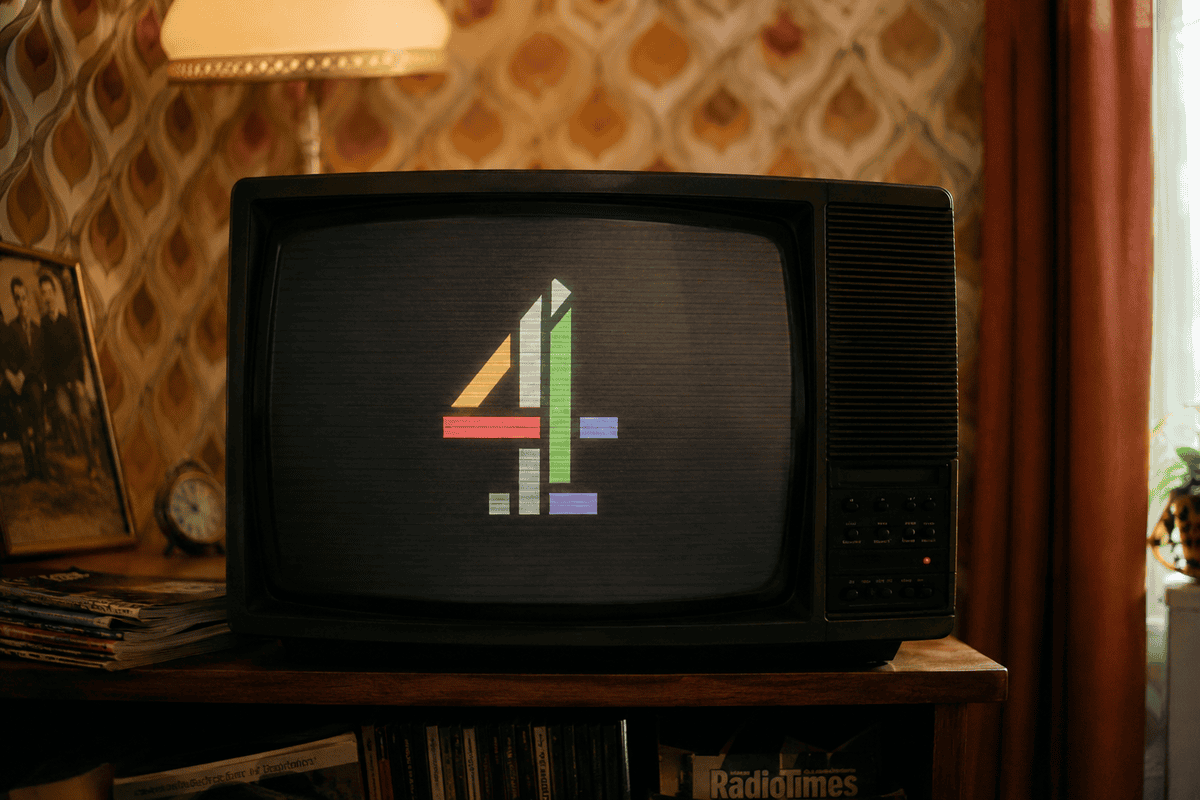
The idea being explored is not a merger, rather it could see Channel 4 programming made available through BBC iPlayer, creating a larger British streaming destination while allowing Channel 4 to remain independent and advertising funded.
BBC director-general Matt Brittin has described the wider ambition as the creation of a UK “sovereign platform” capable of competing more effectively with Netflix, YouTube, Disney+ and the newly enlarged Sky-ITV operation, should that deal go ahead.
At first sight, this is another story about broadcaster scale, streaming economics and the future of public-service television. Seen through the lens of retail media, however, it could be much more significant.
The proposed Sky-ITV combination brings together Sky’s addressable advertising machinery with ITVX, Planet V and ITV’s retailer-data partnerships. A BBC-Channel 4 tie-up would offer a different model: iPlayer’s reach and discovery sitting alongside Channel 4’s commercial advertising operation and its own established retail media capabilities.
Taken together, these developments could see UK TV advertising reorganised around two large streaming ecosystems – Sky-ITV and BBC-Channel 4 – both increasingly capable of using retailer data to identify audiences and connect advertising exposure with subsequent sales. That would push retail media further out of retailer websites and into the living room.
Channel 4 is already in retail media
Let’s be clear: the BBC does not operate a retail media network and is not about to start placing supermarket-sponsored advertising around EastEnders. Channel 4, however, already has a meaningful retail-data proposition.
Its commercial sales operation allows consumer packaged goods brands to target Channel 4 viewers using shopping behaviour supplied by retail partners and then measure the effect on conversion. Channel 4 currently promotes relationships with Nectar360 and Tesco, with Boots also due to be added.
The original Nectar360 partnership enabled brands to use shopper segments derived from recent purchasing at Sainsbury’s. PepsiCo, McCain and L’Oréal were among the first advertisers involved. Once a campaign had run, Channel 4 and Nectar360 could determine how many exposed customers subsequently purchased the advertised product.
The data is matched through a privacy-safe clean-room environment rather than handed directly from the retailer to the broadcaster. More than 80 Nectar shopper segments have been used to create audiences, with participating brands including McVitie’s, McCain, Pepsi, Walkers, Garnier and Weetabix.
InfoSum reports that campaigns using the proposition produced an average sales uplift of 29% across partners, rising to 56% for product-focused creative and reaching 122% in the strongest individual case.
This places Channel 4 in much the same broad market as ITV Retail Match. Retailer transaction data identify the shopper; broadcaster content provides the attention; subsequent retail purchases provide the measurement.
What Channel 4 lacks compared with a combined Sky-ITV is scale and reach – something that BBC iPlayer could potentially provide.
iPlayer could become the distribution layer
BBC iPlayer is one of the most established streaming destinations in the UK. Adding Channel 4 programming could give that content greater visibility, encourage more viewing and increase the amount of premium advertising inventory Channel 4 can sell.
The retail media implication follows directly.
A Channel 4 programme discovered and watched through iPlayer could still carry Channel 4 advertising. Retailer-defined audiences might therefore be reached not only through Channel 4’s own app, but through a much larger national streaming gateway.
This could turn an existing Channel 4-retailer product into something with significantly broader reach.
A brand might use Sainsbury’s or Nectar shopping information to identify category buyers, reach them around Channel 4 content surfaced inside iPlayer and then use transaction data to determine whether the campaign generated sales.
The BBC would not become the retail media owner. It would become the environment through which retail-media-enabled advertising was distributed. That distinction is important – and throws up all manner of commercial versus public sector broadcasting issues and problems, but you see how it may work in principle.
Under the proposed arrangement, Channel 4 would remain the commercial broadcaster, control the advertising relationship and presumably continue to sell the inventory through 4Sales. The BBC would contribute reach, recommendation, content discovery and platform scale.
In that sense, the model would resemble Sky’s role in the Sky-ITV proposition, but with less vertical integration.
Sky-ITV could bring the advertising stack under common commercial ownership. BBC-Channel 4 would rely on collaboration between separate public institutions with different funding models and legal obligations.
A counterweight to Sky-ITV
The timing of the BBC-Channel 4 discussions is no coincidence. Sky’s proposed purchase of ITV’s Media & Entertainment division would bring ITV’s channels and ITVX into the Comcast-owned Sky group. The deal is intended to create a British streaming business with sufficient scale to compete with the global video platforms.
For retail media, that combination is particularly potent because Sky already has AdSmart, household-level addressability and extensive premium inventory. ITV adds Planet V, ITVX registrations and retail-data relationships developed through Retail Match.
BBC-Channel 4 could offer a rival route into premium connected television. The result may be two distinct retail-media-enabled broadcaster ecosystems.
On one side, Sky-ITV could combine commercial television, subscription data, streaming registrations, addressable delivery and retailer audiences inside one increasingly integrated group.
On the other, Channel 4 could bring its retail data partnerships into iPlayer, using BBC scale without surrendering its own commercial independence.
The first would be a commercially consolidated platform. The second would be a public-service distribution alliance carrying a separate commercial advertising layer.
For brands and retailers, the second model could be an important source of competition. Without it, Sky-ITV risks becoming the overwhelmingly dominant British route into premium, addressable television advertising connected to retail purchase data. An expanded Channel 4 presence on iPlayer could give advertisers another substantial pool of audiences, content and closed-loop measurement. It could also be what sees competition authorities green-light the Sky-ITV deal.
The retail alliances are becoming more interesting
The emerging broadcaster structure also maps onto existing retailer relationships. ITV has worked extensively with Tesco and Boots. Channel 4’s original and best-known partnership is with Nectar360, which operates the Nectar programme and Sainsbury’s and Argos retail media businesses. Channel 4 now also lists Tesco as a targeting and measurement partner.
This suggests the market may not divide neatly into exclusive camps. Retailers will understandably want their audiences available across multiple high-quality media environments rather than tied permanently to one broadcaster.
Nevertheless, there is the potential for competing clusters of media, identity and retail data to emerge.
Sky-ITV could offer advertisers access to a large commercial television estate using ITV’s established retailer matching and Sky’s household addressability. Channel 4 on iPlayer could offer a public-service streaming environment in which Nectar, Tesco and eventually Boots audiences are activated against Channel 4 programming.
The competition would no longer simply be between Tesco Media and Sainsbury’s retail media, or between ITVX and Channel 4 streaming. It would be between interconnected networks of retailers, broadcasters, advertising technology and audience identity.
Everything depends on identity
The most difficult issue is determining whose viewer is watching Channel 4 content inside iPlayer.
Retail media requires a recognised shopper to be matched with a recognised viewer. The advertising platform must then establish that the viewer was exposed to a campaign before the retailer can measure what happened afterwards.
If Channel 4 content plays directly inside iPlayer under a BBC login, Channel 4 may not have the same access to the audience identity it would have inside its own service.
That could restrict its ability to create matched retail audiences, manage advertising frequency or measure campaign exposure.
Conversely, sharing BBC user information with Channel 4’s commercial advertising systems would raise substantial questions around consent, data use and the appropriate boundaries of a publicly funded platform.
The likely solution would involve carefully separated identity systems, linked consent or federated clean-room matching. Channel 4 would need sufficient exposure data to sell and measure advertising, while the BBC would need to ensure that licence-fee-funded user relationships were not being commercialised indiscriminately.
This is not merely an implementation detail. It will determine whether the proposal produces a genuine retail media platform or simply gives Channel 4 programmes more reach.
The BBC must remain clearly separate from the advertising
This is the big caveat: any integration would need to make it absolutely clear when a viewer had entered Channel 4 programming and why advertisements were appearing. The arrangement could not create the impression that BBC content or licence-fee-funded infrastructure was quietly becoming commercialised.
Handled well, that separation could actually make the inventory more valuable. Channel 4 advertising inside a largely ad-free, trusted streaming environment could be relatively scarce and uncluttered. Combine that with retailer purchasing data and closed-loop sales measurement and it becomes an attractive premium product.
Handled badly, it could confuse viewers, create political resistance and undermine trust in both organisations.
From a data perspective, BBC iPlayer data can’t easily be used to drive advertising. The BBC could potentially support the delivery and measurement of Channel 4 advertising on iPlayer, but using BBC account histories to decide which commercial advertisements individual viewers receive would face major legal, regulatory and political obstacles.
BBC account and iPlayer data are collected primarily to operate and personalise a public-service media service: signing users in, recommending programmes, maintaining watchlists, understanding performance and fulfilling the BBC’s public purposes.
Using those data for a new commercial purpose – such as identifying grocery shoppers or selecting which Channel 4 retail media advertisement someone sees – would constitute a materially different use. Under the UK GDPR’s purpose-limitation principle, personal information collected for one specified purpose cannot simply be reused for another incompatible purpose. A new use requires its own lawful basis and must be something users would reasonably expect; where the new purpose is significantly different or unexpected, the ICO says specific consent is likely to be required.
The BBC’s own governance and the oversight of regulator Ofcom would also prevent BBC data being used, so for now using BBC data for any retail media targeting would be out of the question.
The common broadcaster marketplace becomes more complicated
However, there is another piece of the puzzle. Before the Sky-ITV deal emerged, Sky, ITV and Channel 4 had already announced plans for a common premium video advertising marketplace. Developed with Comcast Advertising, it is intended to let advertisers access streaming inventory from all three broadcasters through one campaign.
Sky’s acquisition of ITV would mean one company owned two of the three principal sales operations involved.
A closer Channel 4 relationship with the BBC could restore some balance. Channel 4 might bring iPlayer-distributed inventory into the common marketplace while retaining control of its sales and data partnerships.
That could be the best outcome for retail media buyers: broader distribution through iPlayer, retailer audiences supplied through Channel 4 and simplified buying through a common broadcaster platform.
The alternative is the emergence of two increasingly closed systems. Sky-ITV might prioritise its own inventory and technology, while Channel 4 and the BBC develop a separate route. This would create competition, but it could also preserve the fragmentation that retail media buyers already find so frustrating.
Television now key to retail media
The real significance of both the Sky-ITV and the BBC-Channel 4 proposals is that they move retail media well beyond the retailer’s own estate.
Retailers possess the purchasing data. Broadcasters possess the attention. Neither side has enough of what the other controls. Sky-ITV is one attempt to solve that mismatch through commercial consolidation. BBC-Channel 4 could address it through public-service collaboration.
Neither would replace the retail media networks operated by Tesco, Sainsbury’s, Boots or other retailers. Instead, they would provide the large-scale video environments through which retailer audiences can be reached away from stores, retailer websites and apps.
That is important because retail media has become very effective at converting existing demand near the checkout. Its next challenge is helping brands create demand higher up the funnel while retaining the ability to connect advertising with an eventual sale.
CTV is one of the most obvious ways to do this. Sky’s takeover of ITV could create the UK’s most formidable commercial commerce-media platform. Channel 4 content on iPlayer could ensure it does not have that market entirely to itself.
Together, the two developments point towards a new structure for British retail media: not one dominated solely by individual retailer networks, but by alliances connecting retail purchase data with a small number of large television and streaming ecosystems.
The battle for retail media may have started at the digital shelf. It is increasingly going to be fought on the TV screen.