

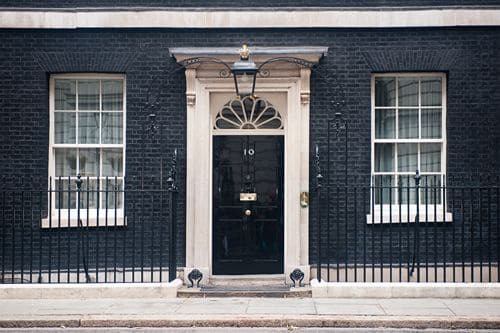
Prime Minister Andy Burnham has vowed to tackle the ongoing cost-of-living crisis with a series of measures, including making it easier to cancel unwanted subscriptions, as part of a crackdown on “rip-off” business practices.
The government is bringing forward plans to protect against subscription traps, which oblige businesses to provide clearer up-front information, regular reminders and a much easier exit to contracts, including a 14-day cooling-off period. Originally announced under Keir Starmer and scheduled to come into effect next spring, they will now be implemented from January 2027.
The government estimates the measures will save consumers £14 a month for every unwanted subscription. Consumers spend £1.6 billion a year on unwanted subscriptions, according to government figures.
Ban on “misleading” discounts
The government is also planning to ban retailers from making misleading claims about discounts. A consultation will launch this autumn to assess whether tactics such as fake “was” prices, invented discounts and misleading recommended retail prices (RRPs) should be added to the list of practices banned under the Digital Markets, Competition and Consumers Act (DMCCA).
Business, Innovation, Science and Trade Secretary Jonathan Reynolds said: “There’s nothing worse than realising you’ve been fleeced by a dodgy deal, or seen money leaving your account because of a subscription you didn’t want to renew or couldn’t easily cancel.
“This Government is on the side of families working hard to make ends meet, while making sure the rules are clear for businesses and easy to follow.”
Sounds good – but is it enough?
Few consumers will argue with efforts to make subscriptions easier to cancel or to ensure discounts are presented transparently. If implemented effectively, both measures could help some households avoid unnecessary costs and make better-informed purchasing decisions.
However, there is a sense that the topline announcement is bigger than the policy change itself. The subscription trap reforms were already in train under the DMCCA and have simply been brought forward by a matter of months. Meanwhile, the proposed crackdown on misleading discounts remains at the consultation stage, and retail industry bodies argue that existing rules already require promotions to be genuine. Tom Ironside, the British Retail Consortium’s director of business and regulation, said: “BRC members adhere to all rules and regulations on promotions, ensuring consumers benefit from genuine savings on the discounts offered.”
Shadow Chancellor Mel Stride described the plans as “reheated” and said that Burnham had already “run out of ideas”.
At a time when household budgets are under sustained pressure from housing costs, energy bills and mounting everyday expenses, critics are likely to question whether measures focused on subscriptions and promotional pricing will make a significant difference to overall living standards. While few would oppose greater consumer protection, the government’s longer-term challenge will be demonstrating that it can deliver more substantive interventions capable of materially reducing the cost of living for millions of households.
Subscription businesses may need to act now
Meanwhile, Katrina Anderson, partner at national law firm Mills & Reeve, warns that subscription businesses will need to ensure they are compliant in time for the new deadline. She said: “The date for introducing new protections against ‘subscription traps’ has already moved three times – spring 2026, autumn 2026, then spring 2027. This is the first time it has moved in the other direction, and the danger is that many brands planning around spring next year will have lost a quarter and will now need to fast track their compliance activities to be ready for the new deadline.
“Once the new rules are in place, the CMA will have a range of powers to enforce them, including the ability to impose fines directly up to 10% of global turnover or £300,000 if higher. The CMA has already been very active in enforcing other aspects of the DMCC Act, and we can expect a similar approach to the new subscription requirements.
“Businesses selling subscriptions, or anything operating on a recurring payment model, should urgently consider whether they are caught by the new regime. Those that are caught will need to make significant changes to their online sign-up processes and implement internal systems to ensure consumers receive the required notifications. There is also likely to be a need for staff training and a review of existing subscription terms and conditions.”
Stay informed
Our editor carefully curates two newsletters a week filled with up-to-date news, analysis and research. Click here to subscribe to the FREE newsletter sent straight to your inbox. Why not follow us on LinkedIn to receive the latest updates on our research and analysis?