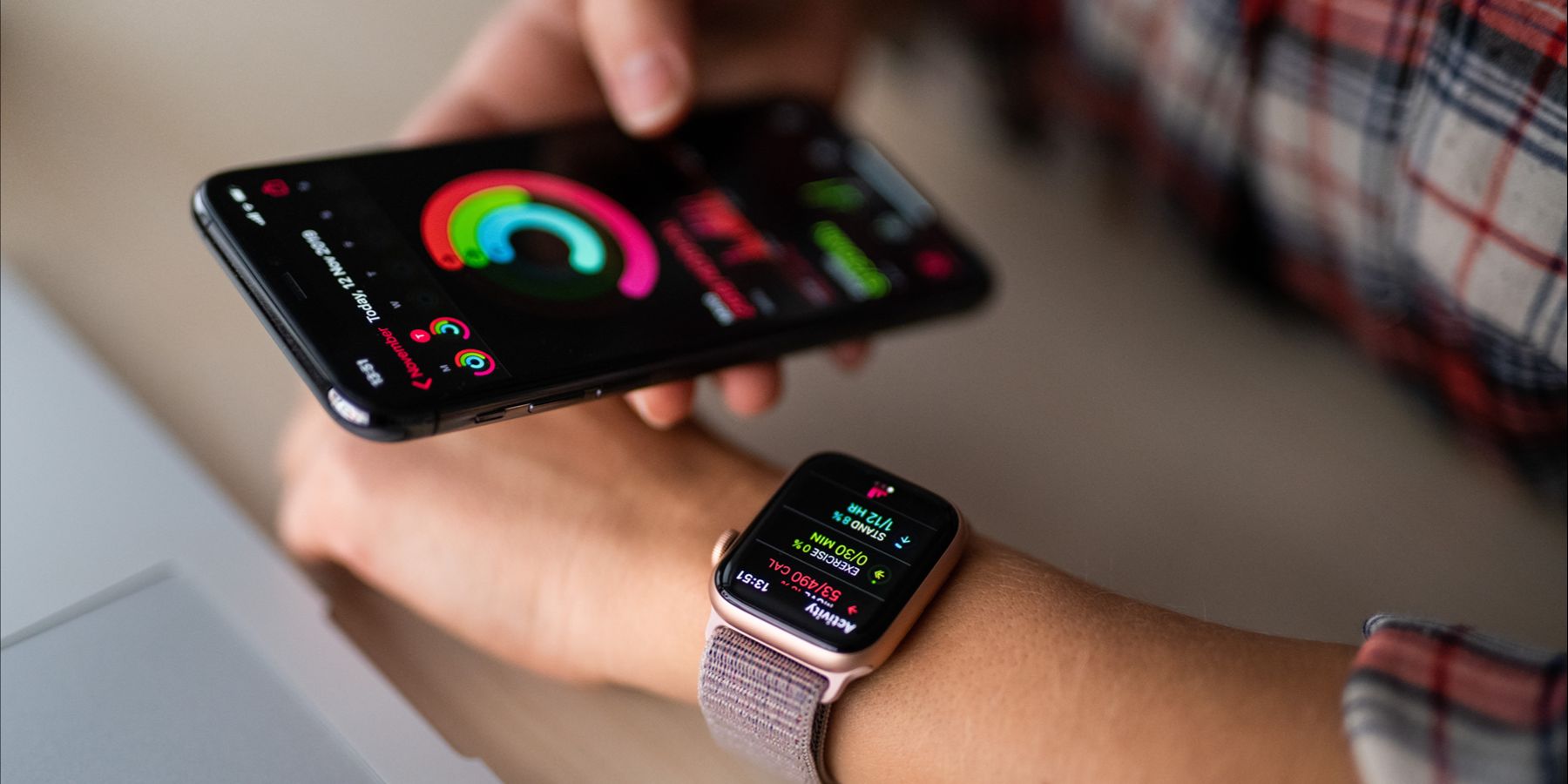
It’s official: wearables are huge. Since FitBit first came onto the scene in the late 2000s, shifting fitness tracking from labs to everyday consumers, the market has grown rapidly – helped, of course, by smartphone technology. Today, one in three iPhone owners in the USA also has an Apple Watch. The global market for wearables is currently valued at roughly $103.1 billion (£77.09 billion) and expected to hit $229.9 billion (£171.90 billion) by 2033.
But as interest in fitness continues to accelerate, the role of wearables is evolving. They’re no longer just used for fitness tracking, but part of a wider ecosystem spanning health, retail, entertainment and customer experience. The Apple Watch is a great example of this. What began as a device for tracking activity and notifications now enables users to monitor health metrics, make payments through Apple Pay, access loyalty schemes, stream music and content, receive personalised recommendations and interact with brands on a daily basis.
For retailers, this kind of data has the potential to be highly valuable, helping to build a richer understanding of the customer’s habits, likes and dislikes, and daily routine. As a result, they are beginning to explore how wearable data can help them better understand customer intent and deliver more relevant experiences.
Wellness becomes a retail priority
The wellness industry is worth £2 trillion, according to McKinsey data, as customers increasingly view wellness as a lifestyle choice. For Gen Z and millennials, it’s built into their everyday lives; whereas previous generations have tended to see the gym as a chore or “necessary evil” to be healthy, Gen Z treats it as a social hub. According to the latest Gen Z State of Beauty 2024/2025 report from Kyra, 80% of Gen Z in the UK and the US now take between one and six supplements every day.
It’s not just Gen Z; interest in wellness has accelerated across all demographics. Data from McKinsey & Company’s Future of Wellness Research shows that 84% of UK and US consumers now consider wellness a top or important priority in their daily lives.
The opportunity, then, is huge for retailers across multiple sectors, from sportswear to nutrition to supplements. Add into this the data provided by wearables, and the opportunity is amplified: sports and outdoor retailers could use activity data to recommend relevant products, grocery retailers could tailor health-focused offers, beauty brands could explore personalised skincare recommendations based on biometric information.
The challenge for retailers
The trend reflects a broader move towards retail experiences that are more personalised, contextual and responsive to individual customer needs. However, there are challenges around privacy and security. Retailers cannot access data from wearables unless users explicitly agree to share it, meaning many opportunities rely on partnerships with fitness platforms and connected technology providers.
This is already happening to some extent. Nike and Apple have built connected fitness experiences that combine wearable tracking, coaching, content and commerce, while health insurer Vitality partners with Apple Watch and Garmin to reward healthy behaviours. What these examples demonstrate is not simply the value of wearable data, but the growing convergence of health, retail and customer engagement.
As wearable adoption grows, the challenge is no longer collecting data but turning customer-consented insights into meaningful experiences. Brands are increasingly looking at how they can use those insights to strengthen loyalty, personalise interactions and build deeper relationships with customers.
It is precisely this opportunity that will be explored at CustomerX 2026 on 14-15 October at Olympia London. Among the many brilliant guest speakers on the day, discussing all aspects of the customer experience, are Leila Thomas, Health & Wellness Solutions at Holland & Barrett, Matthew Dijkstra, Chief Customer Officer at Vitality, and Michelle Ripley, IT Director at Third Space, who are joining forces for a panel discussion entitled “Beyond the Wearable: Turning Personal Data into Everyday Customer Relationships.” Questions the panel will be answering include:
- Where can health and behavioural insights create better experiences beyond fitness?
- How do brands balance personalisation with trust and transparency?
- What partnerships are needed when no single organisation owns the whole customer journey?
- Will personal data become the next loyalty infrastructure?
As wearable technology moves into the mainstream, the biggest opportunities will lie at the intersection of health, retail and customer experience. To find out how leading brands are approaching that challenge, join the discussion at CustomerX 2026.
Customer X: The Cross-Sector Commerce Summit takes place on 14-15 October at Olympia London, with a powerhouse agenda built around the people, partnerships and practical strategies redefining how brands compete for customer attention, loyalty and spend. Find out more and book your place here.