Black Friday spending is set to reach £9.8bn, according to research by VoucherCodes.co.uk. This represents a 3% increase year on year, broadly in line with inflation, suggesting spending will be largely flat in real terms.
However, the Black Friday Spending Report also suggests that shoppers are more engaged with Black Friday than ever. 45% of all UK consumers are expected to shop over the Black Friday weekend (versus 40% last year), with two-fifths saying they expect to spend more than they did in 2025 (39%).
And, while only 35% of people saw the sales as a great way to make a saving last year, now almost two-thirds view the sales this way (63%). There’s also been a sharp increase in the number of consumers who base their festive shopping around the sales – doubling from 9% to 18%.
The headline figures
Vouchercodes’ data reveals that on Black Friday itself, retail sales are expected to hit £3.41bn, marking a 1.5% increase on the £3.36bn spent last year. While, in real terms, that’s down on last year, Cyber Monday is expected to perform more strongly, delivering a healthy £3.53bn or 4.2% uplift YoY.
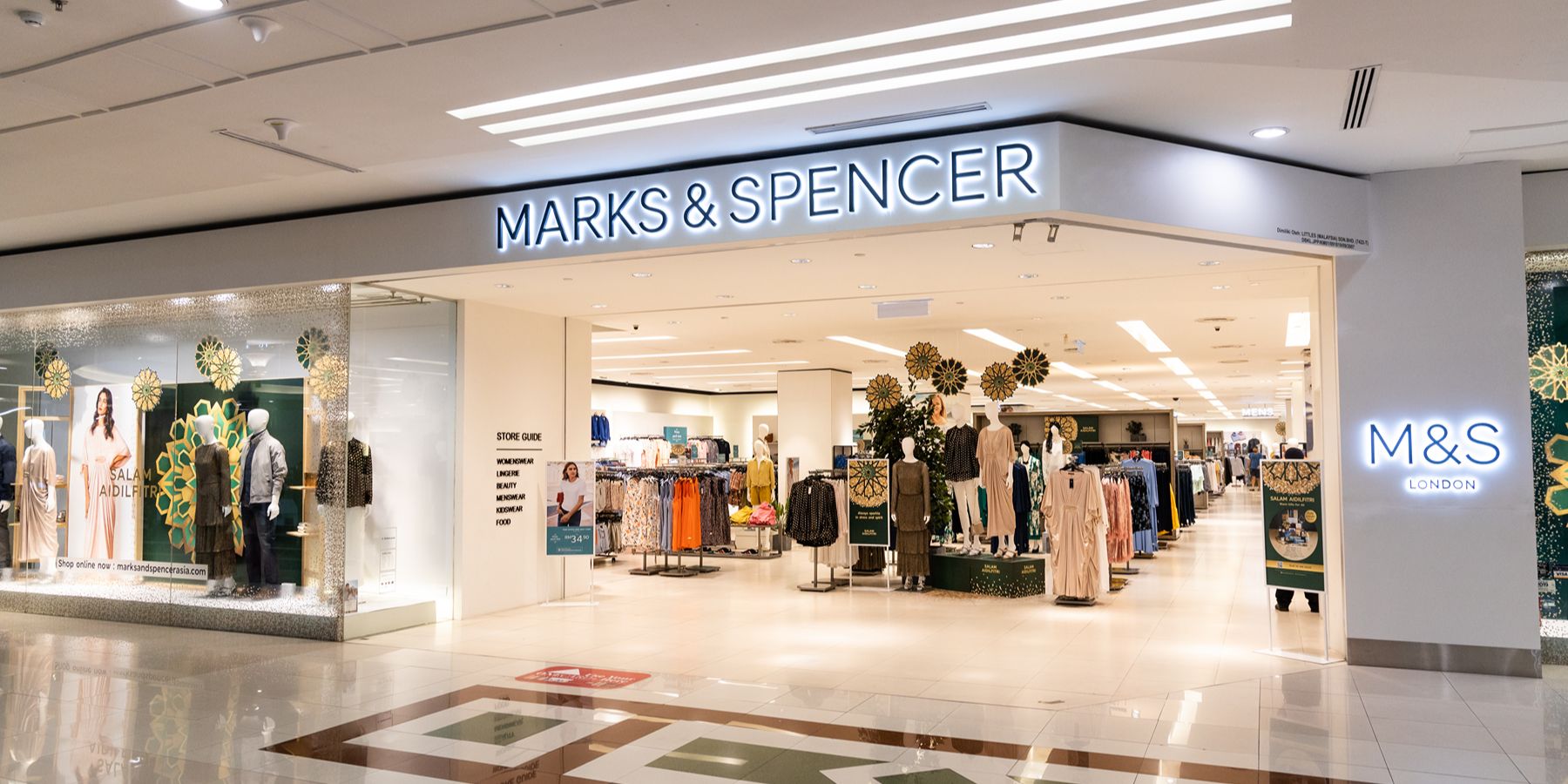
The research also suggests that online retailers will benefit the most from Black Friday, with spending set to hit £5.29bn over the weekend – an increase of 3.3% YoY. Brick-and-mortar retailers are expecting a 2.7% uplift year-on-year to £4.41bn.
Scepticism around the sales has decreased, with fewer consumers now labelling Black Friday a ‘scam’ – a drop from 18% to just 4% – while the number of people who say the deals aren’t any better than other times of year has fallen from 29% to 11%.
Moji Oshisanya, chief commercial officer at Vouchercodes, says that Black Friday is a “strategic budgeting tool” for cost-conscious consumers looking ahead to Christmas.
“This year Black Friday purchases will be carefully considered and budgeted for, no matter what the driver is behind the purchase,” she said. “While 55% of people will be using the sales to purchase Christmas gifts, for others it’s an opportunity to save on wishlist items or afford luxury items that would typically be out of reach.”
Budgeting drives consumer behaviour
Vouchercodes’ research aligns with data released by PayPal that estimates spending across Black Friday and Cyber Monday to reach £6.7 billion this year. Like Vouchercodes, PayPal identifies budgeting for Christmas as a key driver of consumer behaviour over the BFCM shopping festival. Their research found that almost half (48%) of UK consumers admit to waiting two months or more for a specific item in this year’s sales.
Beauty and fragrance products top consumers’ wish lists (44%), followed by fashion and trainers (39%), toys (38%), Christmas decorations (30%) and holiday bookings (27%). Larger purchases such as mobile phones (22%), laptops or tablets (20%), games consoles (20%) and smartwatches (20%) also feature on shopping lists.
Many consumers are also looking for flexibility in payment, to help balance household budgets. Debit cards remain the most popular choice for shoppers’ Black Friday purchases (30%), but 12% plan to use digital wallets such as PayPal and almost one in ten (9%) intend to use Buy Now, Pay Later services (from any provider).
Dave Jones, head of UK consumer at PayPal, highlighted the importance of payment flexibility alongside finding the right deal.
“Many shoppers want three things: value, flexibility and control,” he said. “They’re planning ahead and waiting for discounts on the items they want and choosing payment options that fit their budget. Whether that’s paying upfront, using a digital wallet or, where it is affordable, spreading the cost over time, consumers are taking a more deliberate approach to how they shop during the festive season.”
Taken together, the figures suggest consumers are set to treat Black Friday as a money-saving opportunity rather than a spending spree. While overall sales growth remains subdued, engagement with the event continues to strengthen as households look for ways to stretch festive budgets.
Stay informed
Our editor carefully curates two newsletters a week filled with up-to-date news, analysis and research. Click here to subscribe to the FREE newsletter sent straight to your inbox. Why not follow us on LinkedIn to receive the latest updates on our research and analysis?