

Topshop has launched its dedicated ecommerce site, eu.topshop.com, across 23 EU markets including Germany, France, Italy and Spain. Built on Shopify, the new standalone platform promises faster browsing, curated edits, richer campaign storytelling and full access to the brand’s denim, tailoring, dresses, eveningwear, footwear and accessories.
The latest seasonal drop blends signature Topshop DNA with new silhouettes designed to re-establish the brand’s fashion credibility. Michelle Wilson, managing director of Topshop and Topman, said: “This new site gives our community access to our full brand experience. Customers can get access to the latest collection, shop bestsellers, browse our curated edits or sign-up to our newsletter to stay up-to-date with fashion moments and product launches.”
She added: ”We’ll be adding new features to the site every month to make the experience even more engaging and convenient.”
From Oxford Street legend to digital reinvention
Topshop is another example of an iconic high street brand that has undergone a digital transformation – like Debenhams or Rackhams – moving from physical retail to online pure-play. Back in the 90s, its Oxford Circus flagship store was a cultural landmark, attracting model scouts, fashion editors and teenage shoppers alike. Iconic campaigns with Kate Moss cemented its position as the cool-girl high-street brand of its time, a legacy that still echoes through today’s nostalgia-driven trend cycles.
However, by 2019, Topshop and Topman, which was owned by Arcadia, saw their full-year pre-tax losses build to £505.1 million, a freefall from £3.9 million in 2017, as the business was hit by a host of competing pressures – rising costs, fall in footfall, competition from digitally-savvy fast-fashion retailers like Boohoo and ASOS, and scandals surrounding Arcadia’s owner, Phillip Green. It went into administration in 2020, and was acquired by ASOS in 2021, along with other brands from the collapsed Arcadia, including Miss Selfridge and HIIT.
Ironically, perhaps, ASOS – which boomed during the early pandemic years – then experienced challenges of its own due to the rise of even more agile and digitally-savvy ultra-fast fashion retailers like Shein and Temu. While it has since strengthened its balance sheet, the future for Topshop will depend on its ability to transform an iconic 90s powerhouse into a digital-native brand with appeal and relevance to contemporary Gen Z shoppers. With physical retail costs rising and social media reshaping expectations, analysts warn that nostalgia alone is not enough for a comeback.
Analysts: nostalgia helps — but isn’t a strategy
Speaking to The Industry last year, retail expert Richard Hyman was blunt about the realities facing Topshop’s return. “If it’s got any credibility left, it’s rooted in what it was,” he said. “Getting back to its heyday? There’s no chance. Those days are gone. The market is completely different.”
He also stressed how competitive the middle market has become: “Although the target markets are different, there’s still an overlap with the likes of Marks & Spencer and NEXT. They’re doing well, which means everyone else has an even more squeezed offer.”
The ongoing dominance of low‑price online rivals such as Temu and Shein, which continue to reshape youth shopping habits across Europe, also place pressure on the brand.
Winning Gen Z: creator-driven culture is the battleground
One of the biggest questions around the Topshop relaunch is whether a brand rooted in Gen X and Millennial nostalgia can authentically appeal to Gen Z. According to digital culture specialist Sara McCorquodale, the answer depends on whether ASOS evolves Topshop’s approach: “To compete now, Topshop would need to hook into the digital trend cycle, which is defined by influencers,” she told The Industry.
Luke Hodson, founder of Nerds Collective, cautioned that some early brand decisions have stumbled in appealing to younger consumers. For instance, Topshop’s pop‑in at Liberty, while slick, missed the mark: “It looked premium, but didn’t unlock trapped equity or signal relevance to the TikTok generation,” he told The Industry.
A strategic relaunch — but a challenging road ahead
The launch of the EU site reflects ASOS’s broader ambition to rebuild Topshop as a standalone global brand, supported by renewed creative direction and the promise of further digital enhancements. Analysts agree the label still carries cultural equity, but translating that into commercial success in a crowded European market will require more than leaning on its past.
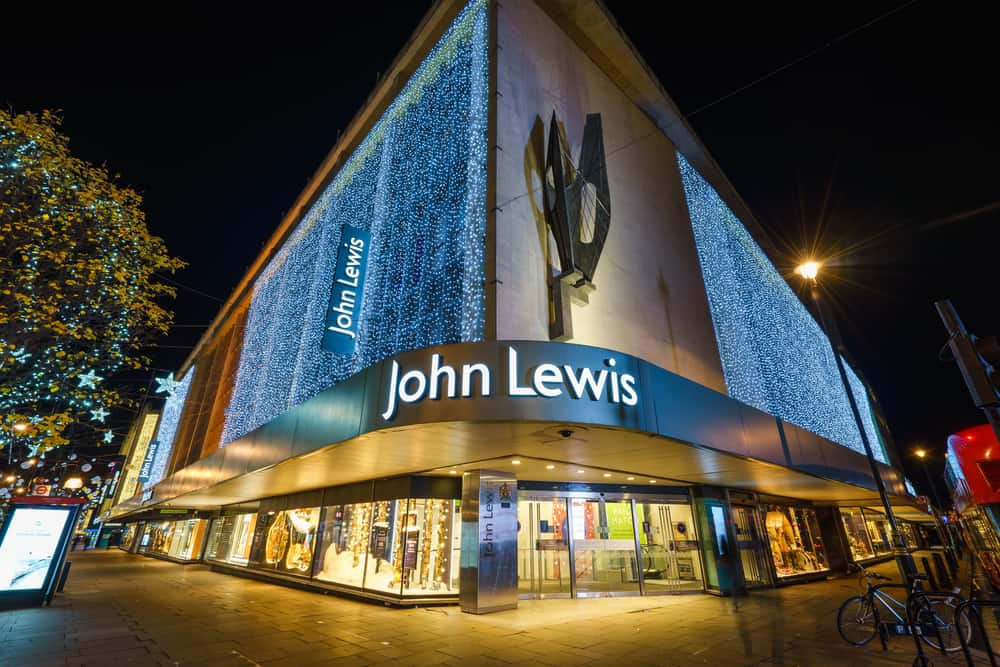
In the UK, where it’s always had more traction, it will be launching physical outlets in 32 John Lewis stores around the country in February 2026 – marking a significant return to the high street, and enabling shoppers who’ve missed that in-store shopping experience to reconnect with the brand.
Topshop’s strength has always been its ability to shape — not follow — the fashion conversation. Whether ASOS can channel that energy into a Gen Z‑first model remains the pivotal question.
Stay informed
Our editor carefully curates two newsletters a week filled with up-to-date news, analysis and research. Click here to subscribe to the FREE newsletter sent straight to your inbox. Why not follow us on LinkedIn to receive the latest updates on our research and analysis?