
Nine in 10 Brits (90%) belong to at least one loyalty scheme, according to new research from American Express.
Based on a survey of 4,000 UK adults, American Express’ Rewards Report 2026 reveals that the average Brit belongs to as many as 12 different schemes, with consumers redeeming an estimated £4.43 billion in rewards over the past year.
Supermarkets offer the most popular loyalty schemes (87%), followed by high street retailers (66%), food and drink chains (50%), reward or cashback credit cards (44%), and schemes for local traders, travel providers and third-party cashback sites.
Part of everyday spending
As the cost of living continues to bite, the research shows that rewards are factored into Brits’ everyday spending habits, and part of the process of managing household finances. Four in 10 (40%) of Brits use rewards to lower the cost of everyday spending, while 37% use them to get better value from their planned purchases. A further one in five (21%) think of their rewards as an extra savings pot or rainy-day fund that they can draw on when needed. Nearly half (46%) say that earning and redeeming rewards is embedded into their daily lives.
Consumers believe that rewards save them money; the research found that those who redeem rewards estimate they saved an average of £132.30 over the past 12 months.
Dan Edelman, general manager, UK Merchant Services at American Express, said:“What’s striking from our research is just how firmly rewards are now embedded in everyday life. Consumers are using them not only to make their money go further, but to access benefits and experiences that add value beyond the transaction.”
Clubcard the most popular UK scheme
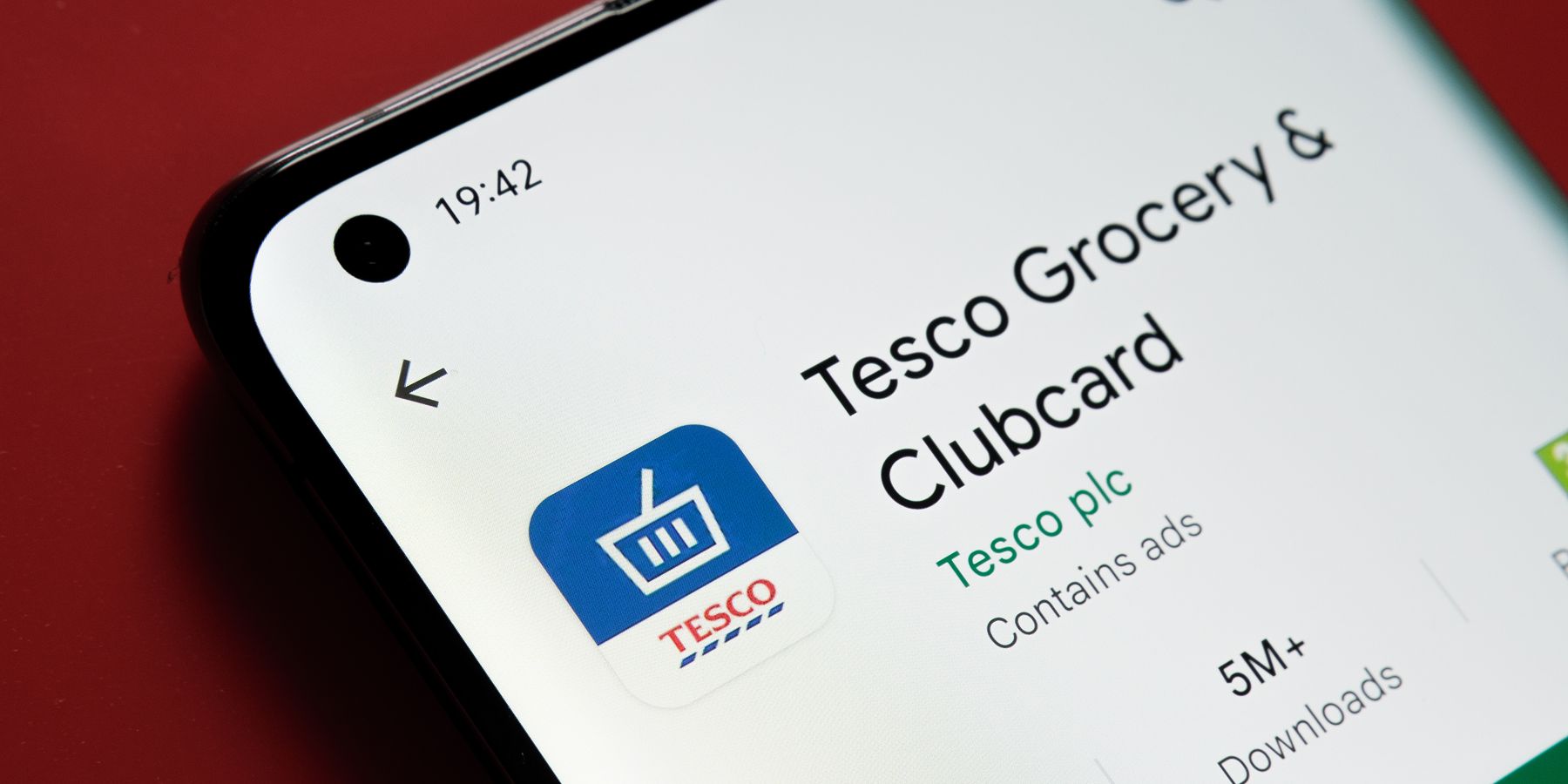
The research chimes with Tesco data showing that more than 24 million UK households include a Clubcard member, representing a massive 84% household penetration rate across the country. Tesco’s scale as the UK’s largest supermarket, with an approximately 28% market share, means that Tesco Clubcard is also undeniably the UK’s largest loyalty scheme, used by 77% of all grocery shoppers. Its closest rival, Sainsbury’s Nectar, trails it at 57%.
Backed by its loyalty scheme and data, Tesco plans to push its market share past 30%. It has rolled Clubcards out to 16- and 17-year-olds, expanded its reach by integrating Clubcard perks onto on-demand delivery apps such as Deliveroo, and expanded its network of third-party partners, giving customers more opportunities to collect points – and more choice in where they’re spent.
Despite this, it recently launched a marketing campaign aimed at getting its customers to spend their points. Tesco said around half a million Clubcard members currently have at least £100 available to spend with its Reward Partners.
Shoppers not as loyal as they seem
Loyalty cards have strong benefits for retailers in increasing the size of baskets and spending as customers seek to redeem or claim points – but the extent to which they actually drive loyalty is rather more debatable. Amex’s own finding that Brits are signed up to as many as 12 loyalty schemes suggests that loyalty to a single supermarket or retailer is rare.
Indeed, research by Ipsos last year revealed that 54% of Brits feel that supermarket loyalty cards benefit the supermarket more than the customer – and almost two thirds (64%) believe supermarkets raise product prices to make loyalty card discounts appear more attractive.
Aldi boss Giles Hurley recently used the opportunity presented by the government’s crackdown on misleading pricing to argue that loyalty discounts present a false sense of value. “The problem with loyalty pricing is that it encourages shoppers to focus on how much they’ve supposedly saved, rather than how much they’ve actually spent. Taking £2 off a £6 product doesn’t make it good value if you can buy it for £3 somewhere else,” he said. Aldi is one of the few supermarkets without a loyalty scheme, relying on its low pricing to remain competitive.
Dan Edelman says that relevance is the key to making a success of loyalty schemes. “For retailers, that makes loyalty much more than a promotional tool,” he said. “The opportunity is to make them flexible, relevant and genuinely valuable – giving customers compelling reasons to choose a brand and come back to it.”
Taken together, industry research demonstrates that the popularity of loyalty schemes is undeniable. The real question is whether they are building loyalty – or simply rewarding shoppers who were going to buy anyway.
Stay informed
Our editor carefully curates two newsletters a week filled with up-to-date news, analysis and research. Click here to subscribe to the FREE newsletter sent straight to your inbox. Why not follow us on LinkedIn to receive the latest updates on our research and analysis?