
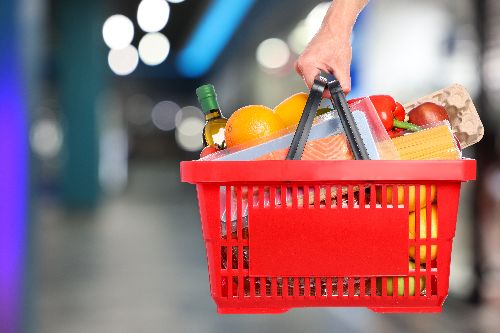
The days of one big weekly shop are long gone. New research shows that UK workers now need to work an average of 68 minutes to afford a typical grocery basket – an increase of two minutes compared to Q4 2005 – and as grocery affordability tightens, shoppers are increasingly responding by spreading their spend across multiple supermarkets.
The research from Beyond Spend: Q1 2026, a report from Beyond: Putting Data To Work, was based on an average (single person) grocery basket of £22.30 and UK median hourly earnings of £19.67. Their analysis suggests households are becoming more strategic about allocating grocery spend, for example, by using data, vouchers and points schemes as part of the decision-making process. As a result, supermarket loyalty is fragmenting.
“This shift is reflected in wider data,” said Paul Alexander, CEO of Beyond: Putting Data To Work. “Around 80% of UK shoppers now use two or more supermarkets, with many visiting three in a typical period. As a result, the traditional ‘one big weekly shop’ is being replaced by a series of smaller, mission-led trips.”
Rather than remaining with one preferred supermarket, shoppers are assigning distinct roles to different retailers depending on price, convenience and availability. This is a pattern shaped by prolonged cost-of-living pressures, as consumers prioritise value over loyalty – and is enabled by the ease of omnichannel grocers offering online discovery, delivery and click-and-collect as standard.
Convenience remains a key driver
However, the report also highlights the importance of convenience. The average lunchtime grocery purchase stands at a relatively high £9.90 – despite the fact that lunchtime shoppers are among the most price-pressured groups – indicating that speed and convenience outweigh cost considerations. These consumers are also frequent shoppers, making around 40 grocery trips per quarter.
“This tells us something important: when time is scarce, effort saved often matters more than money saved,” Alexander said.
Regional differences
The research also underscored regional differences in grocery affordability, highlighting that shoppers in Northern Ireland or the West Midlands have to work significantly longer than shoppers in London to afford the same basket of shopping. For many households, the real challenge is not what groceries cost, but how long it takes to pay for them.
“Retailers that reduce friction through predictable pricing, clear value and reliable availability are better positioned to retain shoppers even when they are not the cheapest option,” Alexander said. “With food prices set to soar due to the Iran Crisis which will impact supply chain and energy costs, this will become increasingly important in 2026.”
Stay informed
Our editor carefully curates two newsletters a week filled with up-to-date news, analysis and research. Click here to subscribe to the FREE newsletter sent straight to your inbox. Why not follow us on LinkedIn to receive the latest updates on our research and analysis?