
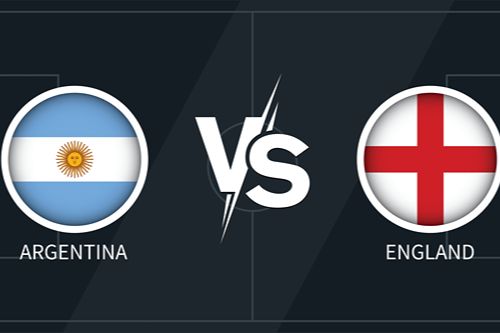
As England kicks off against Argentina tonight in what’s sure to be a nail-biting World Cup semi-final, retailers will be hoping to get a boost from the event, too. But when preparing for the advertising opportunities surrounding major sporting events, new research suggests that retail media campaigns could perform far better by targeting customer mindset rather than relying on broad contextual placements alone.
A study from UK-Australian startup Parallel found that World Cup advertisers could increase ad resonance by almost 50% by optimising placements based on how well creative content matches a viewer’s needs and motivations, rather than simply buying inventory within relevant content categories.
Analysis shows low resonance
The findings come from Parallel’s first Customer Suitability Report, which analysed eight publicly available World Cup advertisements from brands including Walkers, McDonald’s, Nike, Pepsi and Coca-Cola. Using a UK panel of 60 human-calibrated digital twins, the company tested the ads against 432 YouTube videos, generating more than 200,000 simulated responses.
The research found that even high-profile campaigns appeal strongly within a relatively narrow range of content. On average, the World Cup ads achieved high resonance in only around one in 10 videos analysed. Walkers delivered the broadest reach, resonating strongly in roughly one in eight videos.
Challenging traditional targeting methods
The report also challenges the effectiveness of traditional contextual targeting. Within football-related content, often considered the natural environment for tournament advertising, resonance scores varied significantly. For example, the same Walkers advertisement scored between 3.8 out of 10 and 8.4 out of 10 depending on the specific content being viewed.
According to Parallel, buying football content increased average resonance by around 13% compared with a broad media buy. However, selecting placements based on resonance scores delivered a much larger uplift of almost 50%.
The company says the difference is driven by viewer need states, or the reasons consumers choose particular content. World Cup advertisements performed strongest in “Reward and Treat” and “Escape and Entertainment” environments.
The study also found that campaigns featuring David Beckham generated around 40% more opportunities for high-resonance placements than those without the former England captain.
“Delivering ads into places they don’t resonate with the customer can be wasted spend. But when you get it right it beats everything,” said Parallel CEO Rob Hall.
“For the first time, advertisers can optimise to a resonance goal instead of chasing contextual alignment. The same budget simply lands better.”